
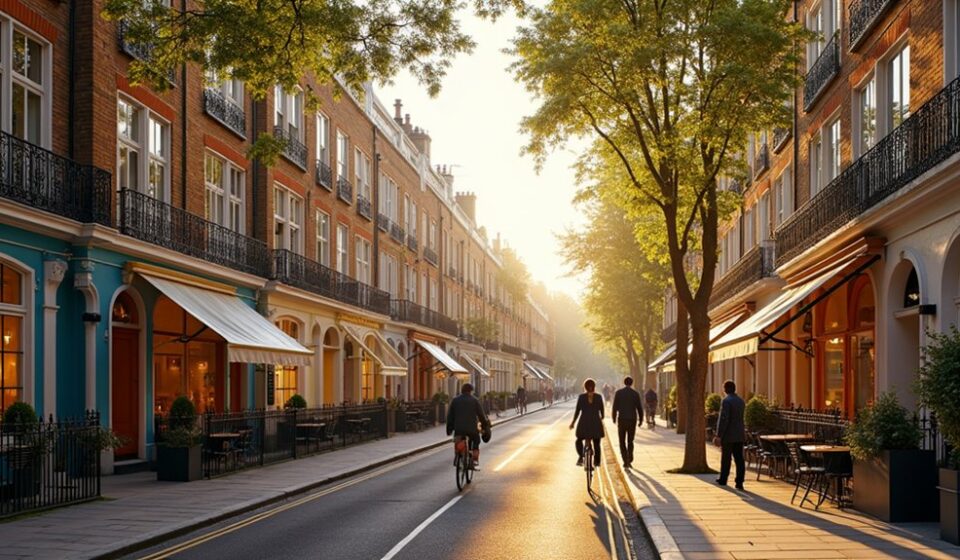

If you’re looking for a London address with few compromises, Clapham deserves close attention. You’ll find period terraces, Victorian conversions, and modern flats across a broad price and rental range, supported by strong Tube, rail, and bus connections. Its parks, independent amenities, and established community also help sustain demand beyond short-term market cycles. The key question is whether Clapham’s different neighbourhoods and tenure costs align with your plans.
Key Takeaways
- Diverse housing options, from period terraces and converted flats to modern apartments, suit different budgets, lifestyles, and life stages.
- Excellent Northern line, National Rail, and bus connections support convenient commutes to the City, West End, Victoria, Waterloo, and beyond.
- Clapham Common, local parks, independent cafés, shops, nightlife, and community events create a desirable, well-rounded lifestyle.
- Strong rental demand, distinctive architecture, and varied neighbourhoods help support long-term property appeal, resale prospects, and rental stability.
- Buyers gain ownership potential, while renters benefit from flexibility, making Clapham attractive across changing financial and personal circumstances.
What Makes Clapham Attractive to Both Groups?
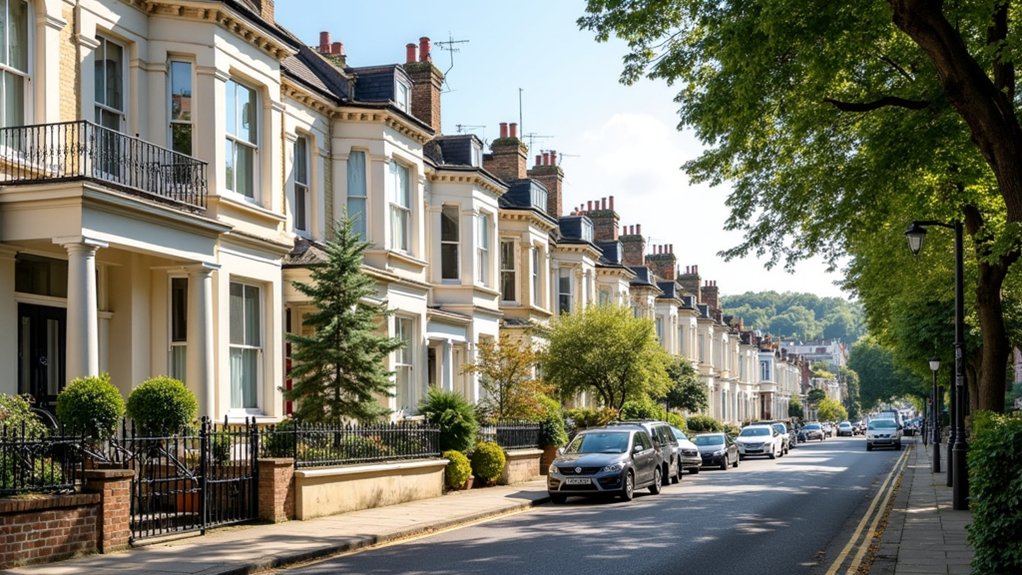
Why does Clapham appeal to both buyers and renters? You get a rare balance of lifestyle demand, housing variety, and resilient resale potential.
Buyers can choose period terraces, converted flats, or modern apartments, while renters benefit from a deep supply of one- and two-bedroom homes. That breadth supports different budgets and life stages, helping sustain occupancy and liquidity when market conditions shift.
Clapham’s local nightlife, independent cafés, green spaces, and community events strengthen everyday appeal without erasing its residential character.
Historic landmarks and attractive Victorian architecture add distinctive character, which can protect buyer interest beyond short-term market cycles.
You’ll also find a broad tenant base, including professionals, couples, and families. For investors, that diversity can support reliable rental demand and reduce dependence on one audience segment.
How Clapham’s Transport Links Support Daily Life
Clapham’s transport links make daily routines especially manageable, with Clapham Common, Clapham North, and Clapham South stations providing Northern line access towards the City, West End, and major interchange points. For you, that means reliable public transport for workdays, evenings, and weekend plans, without depending on a car.
Clapham Junction, just beyond the area, expands your options with fast National Rail services towards Victoria, Waterloo, and destinations across south London and Surrey.
Frequent buses along Clapham High Street, Battersea Rise, and surrounding routes help you cover short journeys when the Tube isn’t the most direct choice. This network supports commuting ease and strengthens the area’s rental appeal: shorter, more predictable journeys can widen your employment options and make long-term living costs easier to justify.
Choose Between Clapham’s Property Types
Transport convenience is only part of the decision; the property itself must match how you plan to live.
In Clapham, Victorian terraces and converted period flats offer high ceilings, generous proportions, fireplaces, and streetscape character. However, you’ll need to assess insulation, maintenance, and lease terms carefully.
Historical architecture often suits buyers seeking individuality and long-term visual appeal, while refurbished apartments can deliver better energy performance and simpler upkeep.
Modern developments around Clapham Junction and the northern edges typically provide lifts, balconies, secure access, cycle storage, and communal amenities. You’ll trade some traditional character for efficient layouts and newer building systems.
Compare room sizes, natural light, outdoor space, and storage rather than relying on finishes alone. Local listings show that condition and specification can influence demand as strongly as postcode.
Compare Buying and Renting Costs in Clapham
When you compare buying with renting in Clapham, look beyond the headline price and calculate the full monthly cost. Compare mortgage payments with rent, then add ownership expenses and flexibility.
- Buying: Budget for deposit, mortgage interest, stamp duty, service charges, repairs, insurance, and conveyancing.
- Renting: Include rent, deposit protection, utilities, contents insurance, and possible annual increases.
- Time horizon: Buying often suits you if you’ll stay five years or longer; renting may cost less upfront and preserve mobility.
- Opportunity cost: Compare your deposit’s potential returns with expected equity growth and rental savings.
Current market trends, including mortgage rates and Clapham’s rental demand, can materially change the calculation. Check comparable listings around Clapham Common, Abbeville Village, and Clapham Junction, rather than relying on averages.
Your decision should balance cash flow, security, and investment opportunities. Review figures annually as rates and prices shift.
Why Clapham’s Green Spaces Add Long-Term Value
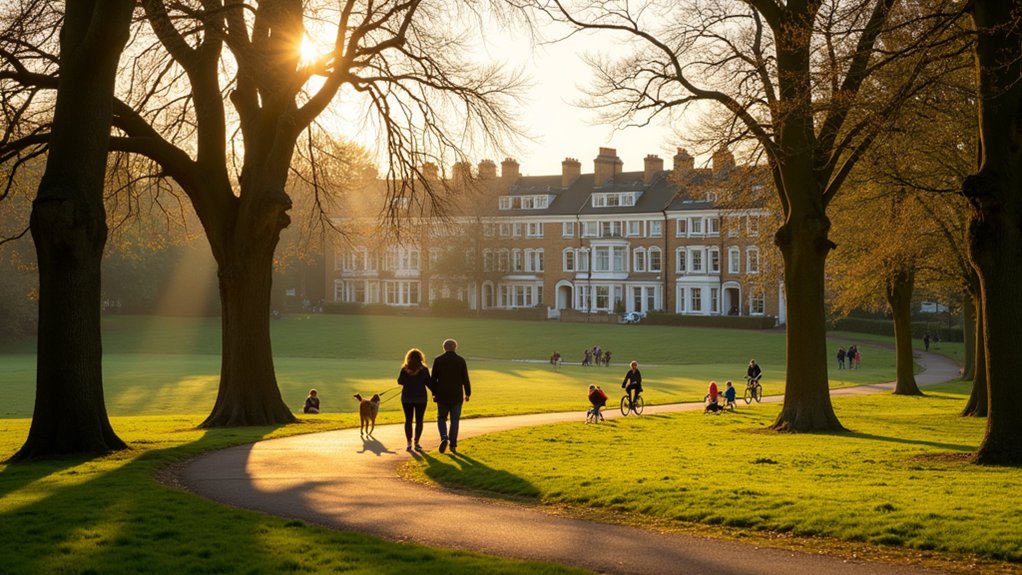
With demand for outdoor space remaining strong, Clapham’s parks can support both rental appeal and resale value. When you compare homes near Clapham Common, Wandsworth Road’s green corridors or Brockwell Park, you’ll see how access to open space strengthens buyer and tenant demand.
A short walk to lawns, sports facilities and tree-lined paths can reduce perceived density, improve daily wellbeing and help properties stand out during slower markets. You’ll also benefit from the area’s active social calendar: Community events create connection and reinforce Clapham’s neighbourhood identity.
While Local wildlife adds everyday appeal for families and environmentally conscious renters. Although parks don’t guarantee price growth, consistent demand, limited nearby supply and strong transport links can support rental resilience and long-term capital preservation.
Check distance, maintenance and noise before committing.
Find Independent Amenities Across Clapham
Beyond green space, Clapham’s independent amenities give buyers and renters practical reasons to choose one pocket over another. When you compare homes, measure daily convenience alongside asking prices: a strong high street can support resale appeal, rental demand, and a more walkable routine.
- Local coffee: Independent cafés around Clapham Common and Northcote Road give you reliable meeting places and quick weekday stops.
- Boutique shops: Owner-run fashion, interiors, and gift stores create variety that national chains can’t replicate.
- Food businesses: Delis, bakeries, and specialist grocers help you shop locally while strengthening the area’s trading ecosystem.
- Useful services: Tailors, salons, repair shops, and independent studios reduce the need to travel elsewhere.
These amenities can signal durable local demand. Check opening hours, footfall, and tenant turnover during viewings; the evidence will sharpen your property comparison.
Match Each Clapham Neighbourhood to Your Lifestyle
Clapham’s neighbourhoods suit different priorities, so match your shortlist to how you’ll actually live, commute, and spend locally. Around Clapham Common, you’ll find period terraces, generous green space, and strong access to the Northern line—useful if parks and commuting rank highly.
Clapham North and Stockwell typically offer faster connections towards the City, alongside a denser, more urban feel.
Clapham South appeals if you want quieter streets, larger homes, and straightforward access to the common.
Abbeville Village adds independent shops and local dining within a polished residential setting.
If historical architecture matters, compare conservation areas, façade details, and refurbishment quality rather than relying on listing photographs.
Visit at weekday rush hour and on weekend evenings: noise, footfall, and journey times can change your view of each pocket considerably.
Decide Whether Buying or Renting Suits You
Once you’ve identified the Clapham pocket that fits your lifestyle, compare buying and renting against your expected time horizon, deposit, and monthly budget.
Renting may suit you if you value flexibility, expect to relocate, or need time to build a larger deposit.
Buying can offer stability and potential capital growth, but you’ll need to budget for mortgage costs, stamp duty, maintenance, and service charges.
- Time horizon: Buying generally makes more sense when you’ll stay for several years.
- Cash position: Compare your deposit with current Clapham prices and mortgage affordability.
- Monthly costs: Include rent, interest, insurance, repairs, and commuting.
- Local outlook: Track market trends, supply, demand, and investment opportunities near Clapham Common and transport links.
Use recent sold-price evidence, rental yields, and lender stress tests — not headlines — to make your decision.
A local agent or independent adviser can test realistic scenarios.
Frequently Asked Questions
What Are Clapham’s Council Tax Bands and Typical Annual Charges?
You’ll find Clapham properties across Lambeth and Wandsworth council tax bands A–H. For 2024/25, typical annual bills range from roughly £1,400 to £3,200, varying by borough, valuation, local amenities, and transportation links.
Which Schools Serve Clapham, and How Are Their Admissions Handled?
You’ll find strong local education options, including Clapham’s primaries and secondaries, alongside nearby academies. For School admissions, check each council’s catchment maps, Ofsted results, faith criteria, deadlines, and oversubscription policies annually before applying.
Are There Flood-Risk Areas or Other Environmental Concerns in Clapham?
You’ll find Flood zones mainly near the River Thames and Wandle; check Environment Agency maps and property drainage records. Environmental hazards include surface-water flooding, traffic pollution, and contaminated land, so review reports before buying or renting.
What Planning Permissions Might Be Needed for Extending a Clapham Property?
You’ll likely need planning permission for extensions, loft conversions, or exterior changes. Check Clapham’s conservation-area rules, listed-building status, and permitted-development rights. Historical architecture demands care, while Modern renovations may require approval, drawings, and neighbour consultation.
How Competitive Is the Clapham Property Market Throughout the Year?
You’ll find Clapham’s market humming year-round, though spring and autumn bring sharper competition. Monitor Market trends, compare Rental yield, and move decisively; well-priced homes attract multiple offers, while winter often gives you slightly stronger negotiating leverage.
Conclusion
Ultimately, Clapham gives you flexibility: buy a Victorian terrace for long-term security or rent near the Common while your plans evolve. Transport, green space, independent businesses, and varied housing help support demand across market cycles. One revealing statistic: Clapham Common spans approximately 220 acres—more than 160 football pitches—giving residents a rare urban amenity that can underpin lifestyle appeal and resale interest. Compare your budget, commute, and priorities, then choose the tenure that fits your next chapter.