
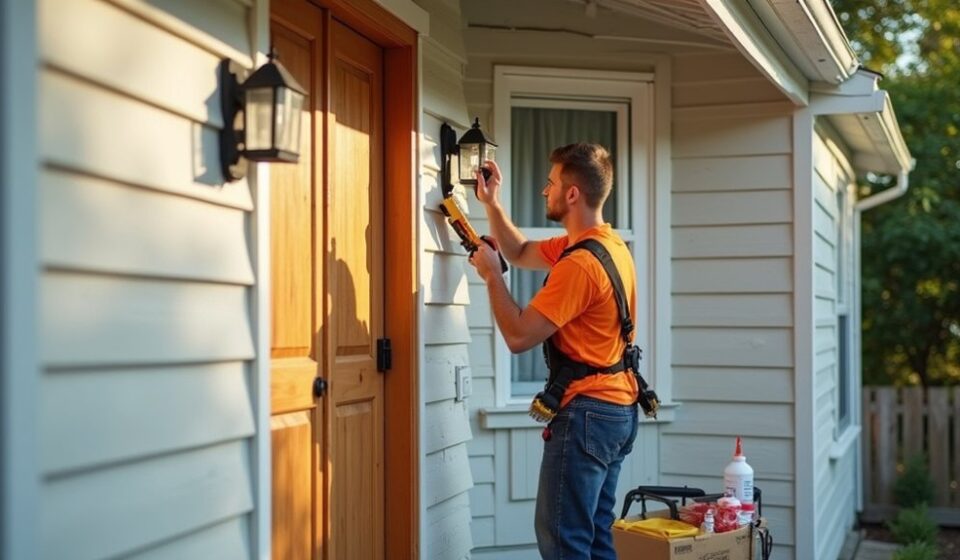

Can regular maintenance really make exterior paintwork last longer? Yes, but only if you act before minor wear becomes serious damage. Inspect your walls twice a year, paying close attention to peeling, cracks, fading, and vulnerable south- or west-facing surfaces. Clean finishes gently, repair exposed areas, and use weather-resistant products suited to your surface. Moisture, sunlight, and poor timing can undo your work, so knowing what to address first matters.
Key Takeaways
- Inspect exterior paintwork twice yearly for fading, peeling, cracking, blistering, chalking, rust stains, and exposed surfaces.
- Clean gently with mild soap, a soft brush, and low-pressure water, protecting seams, vents, and unpainted areas.
- Keep gutters, downspouts, drains, seals, and surrounding vegetation maintained to prevent moisture damage and staining.
- Repair deterioration promptly by scraping, sanding, priming exposed areas, and correcting leaks before repainting.
- Use compatible exterior-grade paints and schedule work during dry, stable weather, limiting intense sunlight with shading devices.
Inspect Exterior Paintwork for Early Damage
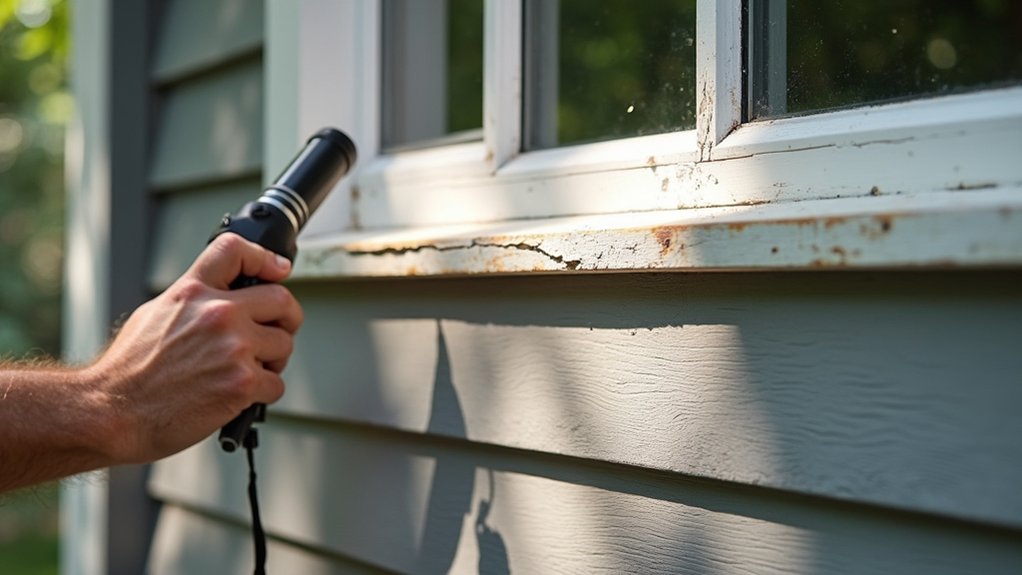
Inspect your exterior paintwork at least twice a year, ideally in spring and autumn, when mild weather makes damage easier to spot and repair. Walk around your property and check for peeling, blistering, cracking, chalking, fading, rust stains, and exposed timber or masonry.
Pay close attention to window frames, fascia boards, joints, and areas beneath gutters, where moisture often collects. Use a flashlight to examine shaded elevations and look for early discoloration or swelling.
Don’t paint over defects you haven’t assessed. Mark affected areas, identify possible water entry, and schedule repairs before wet or freezing weather worsens them.
When work begins, confirm proper surface preparation and paint compatibility with existing coatings. Record inspection dates and findings, so you can track recurring problems and plan maintenance before deterioration becomes extensive or costly.
Clean Exterior Finishes Without Causing Damage
Choose gentle cleaning methods, such as mild soap and a soft brush, to remove dirt without dulling the finish.
Protect painted surfaces and avoid cleaning in direct sun or freezing weather.
Rinse thoroughly, then let the exterior dry completely to prevent streaks and moisture damage.
Choose Gentle Cleaning Methods
When exterior paint needs cleaning, start with the mildest method that matches the buildup and the weather. Work on a cool, overcast day, because hot sunlight can dry water or cleaner too quickly and leave marks.
- Rinse loose dust with a garden hose, directing water downward rather than behind joints.
- Mix a small amount of mild detergent with water, then wash gently using a soft-bristle brush or sponge.
- Test chemical cleaning on an inconspicuous area first, follow the label, and rinse thoroughly before the solution dries.
- Reserve Pressure washing for sturdy, well-cured finishes. Use low pressure, a wide fan, and adequate distance; never aim directly at seams or fragile coatings.
Stop if rain, strong wind, or freezing temperatures threaten the work. Let each section dry naturally, and repeat gentle washing instead of increasing force.
Protect Painted Surfaces
Protect painted surfaces by working from the top down and keeping water, cleaner, and debris away from open seams, vents, and unsealed edges.
Use a soft brush, nonabrasive sponge, or low-pressure sprayer to loosen dirt without scuffing the coating. Test your method on a hidden area first, especially when the finish is old, chalky, or weathered.
Don’t scrub aggressively, use harsh solvents, or clean in direct, intense sunlight; heat can dry solutions too quickly and leave marks.
Work during mild, overcast weather, and stop if wind carries grit onto damp paint.
For stained or faded sections, record the product, sheen, and age before planning touch-ups.
Accurate Color matching prevents visible patches, while texture enhancement should preserve the original surface profile rather than conceal damage with heavy coatings.
Rinse And Dry Thoroughly
Rinse the cleaned surface from the top down with fresh, low-pressure water, directing runoff away from open seams, vents, and unsealed edges. Don’t use power washing on fragile paint, aged coatings, or damaged trim; excessive pressure can force water underneath the finish.
Follow these steps:
- Rinse until no detergent, dirt, or residue remains, checking corners and textured areas.
- Work in mild, cloudy weather when possible, avoiding strong sun that can dry water unevenly and leave spots.
- Use clean microfiber towels or a soft squeegee on smooth surfaces, and blot rather than scrub.
- Let porous materials drain naturally, then inspect seams, joints, and shaded areas for trapped moisture.
Good drying techniques include improving airflow with open windows, fans, or gentle breezes. Never seal, repaint, or caulk damp surfaces.
Confirm the finish is completely dry before applying protection or repairs.
Repair Cracks, Peeling, and Exposed Surfaces
Repair cracks, peeling paint, and exposed surfaces as soon as you spot them, ideally during dry weather with moderate temperatures. Scrape away loose coating, feather the edges, and remove dust before you begin repairs. Clean, sound surfaces help new materials bond properly.
For narrow gaps, use suitable exterior filler and work it deeply into the opening; effective crack filling prevents the damage from spreading. Let repairs cure fully according to the product instructions, then sand raised edges until smooth.
Prime bare wood, metal, masonry, or other exposed material with a compatible exterior primer. Match the finish carefully through color matching, testing a small area before covering the repair.
If cracks are wide, recurring, or structural, ask a qualified professional to inspect them before you repaint the area.
Protect Paintwork From Moisture and Sunlight
Moisture and strong sunlight can shorten an exterior paint job’s life, so plan maintenance around the weather and your home’s exposure. Use these practical measures:
- Inspect after storms. Clear blocked gutters, downspouts, and drains so rainwater doesn’t collect against painted walls or trim.
- Seal vulnerable joints. Check around windows, doors, and penetrations for failed caulk, then reseal gaps before damp weather allows water inside.
- Improve airflow. Trim shrubs and branches away from walls, and keep painted surfaces free from leaves that trap moisture.
- Limit sun damage. Use awnings, shade structures, or exterior blinds where exposure is intense. These UV protection strategies reduce fading, chalking, and heat stress.
Apply weatherproofing techniques during dry, mild conditions, and let surfaces dry completely after washing.
Inspect annually, especially on south- and west-facing elevations, and address bubbling, mildew, or discoloration promptly before damage spreads.
Choose the Right Products for Exterior Finishes
Once surfaces are clean, dry, and protected from excess moisture and sun, choose products suited to the exterior finish and local weather. Select exterior-grade acrylic or elastomeric paint for walls exposed to rain, temperature swings, or strong sunlight.
Use a compatible primer when the substrate is porous, chalky, stained, or previously coated with a different product. Check the manufacturer’s guidance to confirm compatibility between primer, paint, sealant, and surface material.
Consider sheen carefully: satin or semi-gloss finishes typically resist dirt and moisture, while low-sheen options can disguise minor surface irregularities.
Test color matching in several lighting conditions before committing, since surrounding surfaces and changing daylight affect appearance. Also compare finish textures, ensuring the product suits masonry, wood, metal, or rendered surfaces.
Follow specified coverage rates and drying times for reliable performance.
Know When Exterior Paintwork Needs Repainting

Inspect your exterior paint for visible wear, especially after harsh sun, wind, or storms. Fading, peeling, cracking, or chalky surfaces signal that the coating may no longer protect your home.
Address these signs promptly before moisture and changing weather cause further damage.
Spotting Visible Wear
Exterior paint rarely fails all at once; instead, it shows gradual warning signs that you can spot during routine checks. Walk around your property in dry daylight, especially after harsh sun, rain, frost, or strong winds. Look closely at these indicators:
- Chalky residue: Rub a shaded area with your hand; powder suggests the finish is weathering.
- Thin coverage: Check corners, trim, and exposed elevations for uneven protection or visible undercoat.
- Open joints: Inspect around windows, doors, and cladding for cracked or shrinking sealant.
- Surface grime: Note embedded dirt, mildew marks, or rust stains that cleaning no longer removes.
Record each location and photograph it for comparison. Early planning supports accurate Color matching and Texture preservation.
Repaint when several signs appear, before moisture penetrates vulnerable materials. Schedule work during a stable, dry weather window.
Recognizing Fading and Peeling
Fading and peeling signal that your exterior paint is losing its protective strength, especially after prolonged sun, rain, frost, or temperature changes. Inspect walls each spring and after severe weather. Look for color fading, uneven patches, chalky residue, or a noticeable loss of gloss. These signs often indicate that ultraviolet exposure has weakened the coating, even when the surface appears intact.
Check vulnerable areas, including south-facing walls, window sills, trim, and exposed edges. Surface peeling, bubbling, cracking, or flaking suggests moisture has entered beneath the paint or that adhesion has failed. Don’t simply paint over loose layers. Scrape, sand, and prime affected sections after identifying and correcting leaks or dampness.
Repaint when fading is widespread or peeling returns after repairs. Acting promptly helps prevent exposed timber, masonry, and metal from absorbing water and deteriorating.
Frequently Asked Questions
How Often Should Exterior Paintwork Be Professionally Inspected?
You should schedule a professional inspection annually, ideally before severe weather seasons. Increase inspection frequency to every six months if you face harsh sun, coastal air, heavy rainfall, or visible deterioration affecting paint durability and protection.
Can Landscaping Damage or Stain Exterior Painted Surfaces?
Yes, landscaping damage can crack, scrape, or discolor painted surfaces, while exterior staining often comes from sprinklers, soil, mulch, and overgrown plants. You’ll prevent problems by trimming growth, redirecting water, and cleaning splashes promptly.
What Safety Precautions Are Needed When Maintaining Exterior Paintwork?
Safety starts at the foundation: wear Safety gear, including gloves, goggles, and non-slip footwear. Practice Hazard prevention by checking ladders, avoiding wet or windy conditions, securing tools, and following product instructions carefully.
How Should Painted Surfaces Be Maintained During Extreme Weather?
During extreme weather, you should inspect painted surfaces frequently, postpone repairs until conditions stabilize, and remove debris promptly. Protect against color fading with shade, while addressing surface cracking after storms to prevent moisture intrusion.
Should Homeowners Keep Records of Exterior Paint Maintenance and Repairs?
Yes, you should keep records; documented maintenance can extend paint life by years. Note paint color, Surface preparation, products, dates, weather conditions, repairs, and photographs, helping you schedule inspections and match future touch-ups accurately.
Conclusion
With twice-yearly checks and gentle care, you’ll keep your exterior finishes looking refreshed rather than weathered. Watch south- and west-facing walls for early signs of trouble, then wash away grime with mild soap and water. Tackle small cracks or peeling areas before they become larger concerns, and seal gaps against moisture. Choose durable, weather-resistant products, and repaint when fading or bare patches signal it’s time. Work during calm, dry weather for protection that lasts.


