
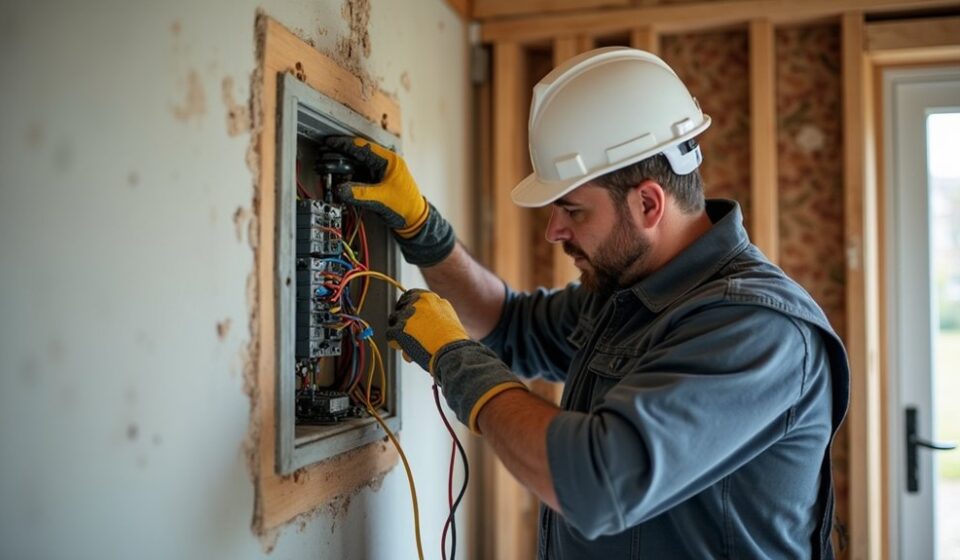
How to Upgrade Old Electrical Systems Safely During a Full Property Refurbishment

Treat your property’s old electrical system like a hidden fault line: it may stay quiet until refurbishment exposes serious risks. Before you open walls or remove fixtures, arrange a full inspection by a qualified electrician to identify deteriorated wiring, overloaded circuits, and outdated protection. Plan upgrades alongside the building work to control costs and avoid rework, while meeting current regulations. The right tests, certificates, and safety devices can make the difference between a sound renovation and a costly surprise.
Key Takeaways
- Hire a qualified electrician to inspect wiring, earthing, consumer units, outlets, and hidden hazards before refurbishment begins.
- Plan cable routes, sockets, lighting, and consumer-unit capacity alongside structural, plumbing, and insulation work.
- Replace damaged or obsolete wiring and components with approved materials suited to the building’s electrical demands.
- Install suitable RCD and surge protection, clearly label circuits, and ensure adequate capacity for future electrical additions.
- Arrange staged inspections, testing, certification, and complete documentation before energising circuits or closing walls.
Start With an Electrical Safety Inspection
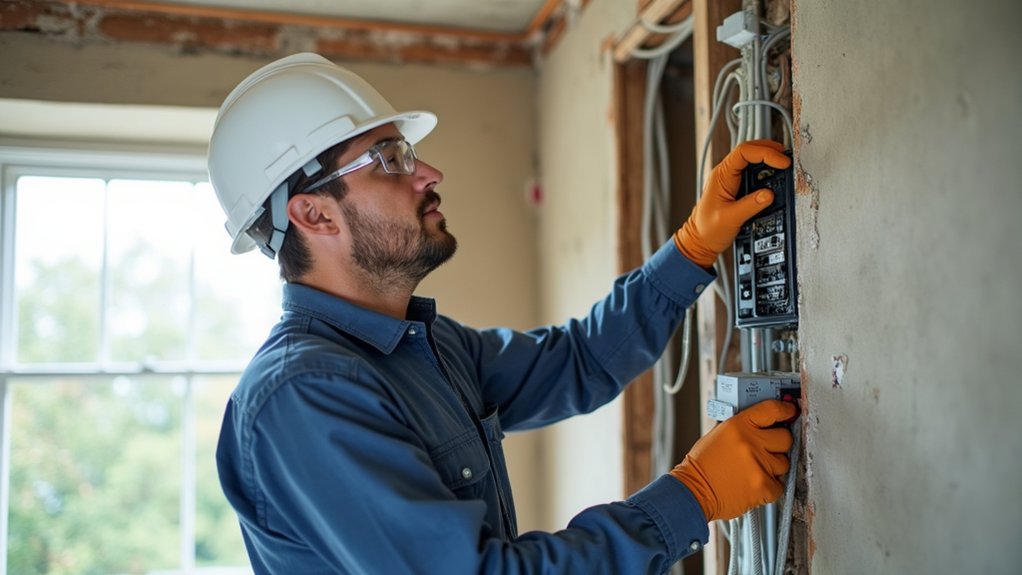
Before upgrading an older electrical system, schedule a qualified electrician to perform a complete safety inspection. You’ll want them to examine the consumer unit, wiring, outlets, switches, earthing, bonding, and visible signs of overheating or damage.
Testing can reveal hidden electrical hazards, including overloaded circuits, deteriorated insulation, poor connections, and inadequate protection against electric shock. Ask for a written report that identifies urgent defects, recommended improvements, and applicable local electrical regulations.
Confirm whether permits, certificates, or inspections are required before any work begins. You’ll save money by addressing dangerous faults early instead of discovering them after installation.
Follow the electrician’s safety precautions, keep occupants away from exposed components, and never remove covers or attempt repairs yourself.
Use the inspection findings to establish a safe, compliant starting point for later decisions.
Plan the Electrical Upgrade Around Your Refurbishment
Use the inspection report to coordinate electrical work with your refurbishment plans. Ask your electrician to map cable routes, outlet positions, lighting points, and consumer-unit access before walls close or finishes begin.
Schedule first-fix work alongside plumbing, insulation, and structural changes. Then arrange second-fix installation after decorating and joinery, reducing rework and delays.
Confirm that the planned design meets current wiring regulations and local inspection requirements; your electrician can identify certificates, notifications, or approvals you’ll need.
Include Electrical aesthetics in your decisions by selecting discreet fittings, aligned switches, and lighting that complements each room’s finishes.
Allow for budget considerations, including access, making-good, testing, and contingency costs.
Keep drawings and product specifications on site, and review changes promptly so every trade follows the approved electrical plan safely.
Replace Unsafe Wiring and Outdated Components
When inspection identifies damaged cables, brittle insulation, overheating, or obsolete components, have a qualified electrician replace them rather than patching around the problem. Ask for a written schedule identifying each defect, the proposed remedy, and any access work needed during refurbishment.
Choose wiring materials suited to the building’s load, environment, and installation method, and guarantee they meet current regulations.
Check component compatibility before fitting switches, sockets, lighting controls, or heating connections; mismatched ratings can create faults and premature failure.
Your electrician should route and protect cables correctly, remove redundant wiring safely, and label altered circuits for future maintenance.
Replacing complete cable runs may cost more initially, but it often avoids repeated call-outs and hidden risks.
Keep invoices, product details, and inspection records for compliance and resale documentation.
Upgrade the Consumer Unit and Safety Devices
Assess your existing consumer unit for age, damage, capacity, and compliance with current regulations before planning upgrades.
Install appropriate RCD protection to reduce shock risks, and consider surge protection for sensitive appliances.
Use a qualified electrician to confirm the design, minimise unnecessary costs, and complete the work safely.
Assess Existing Consumer Unit
Before upgrading the consumer unit, have a qualified electrician inspect its age, condition, circuit protection, earthing, bonding, and available capacity. This electrical assessment identifies immediate hazards, overloaded circuits, obsolete components, and faults that could affect your refurbishment plans.
Ask for a written condition report, including test results, recommended remedial work, and an explanation of priorities.
Check whether the existing Consumer unit has enough ways for planned additions, such as kitchen appliances, heating, or outbuildings, without forcing costly alterations later.
Your electrician should also verify compliance with current wiring regulations and determine whether the supply intake, meter position, and main protective conductor need attention.
Don’t assume a tidy enclosure is safe; hidden defects may remain.
Budget for essential repairs first, then compare replacement options and installation costs.
Install RCD Protection
Once the assessment confirms the upgrade path, have a qualified electrician install suitable RCD protection as part of the consumer unit replacement or improvement.
RCDs detect residual current and disconnect power quickly, reducing shock and fire risks when insulation fails or equipment leaks current.
Ask your electrician to:
- Select RCDs suitable for each circuit.
- Provide discrimination, so one fault won’t shut down everything.
- Combine RCDs with correctly rated circuit protection.
- Label circuits and test buttons clearly.
- Test, certify, and document the installation.
Confirm the design meets current wiring regulations and local inspection requirements.
Don’t treat an RCD as a substitute for sound wiring, earthing, or protective bonding.
Schedule manufacturer-recommended tests and record results for future occupants.
Although a full replacement may cost more initially, zoned protection can limit disruption and help you avoid expensive remedial work later.
Never reset repeatedly without investigating the fault.
Add Surge Protection
Add a surge protection device (SPD) when upgrading the consumer unit to help protect wiring and appliances from transient overvoltages caused by lightning or utility switching. Your electrician should select the correct SPD type and rating for the property’s supply, earthing arrangement, and incoming services.
Surge protection can reduce damage to boilers, alarms, networking equipment, and other sensitive electronics, although it can’t prevent every fault or power surge. Ask your electrician to confirm compliance with current wiring regulations and the distribution network’s requirements, then record the device in your electrical installation certificate.
Position the SPD with suitable overcurrent protection and keep connections short to improve performance. Although installation adds cost, it’s often cheaper than replacing multiple appliances.
Arrange inspection, testing, and replacement after any significant surge or indicated end-of-life condition.
Use Qualified Electricians and Meet Current Regulations
Choose a qualified electrician by checking their credentials, insurance, and relevant experience.
Guarantee the work follows current electrical regulations to protect your home and avoid costly corrections.
Arrange any required inspections and retain the certificates for your records.
Verify Electrician Credentials
Before work begins, verify that your electrician holds the licenses, insurance, and permits required in your area and has experience with older wiring systems. Confirm Electrician licensing through your local authority, rather than relying on an online advertisement or verbal claim.
Ask for evidence of:
- Current license numbers and trade classifications
- Public liability and workers’ compensation insurance
- Relevant training for rewiring and hazardous materials
- References from comparable refurbishment projects
- Written estimates, warranties, and payment terms
Check Certification standards that apply to the electrician’s qualifications, and contact the issuing bodies if anything seems unclear.
A qualified professional should explain risks, document existing defects, and communicate clearly before opening walls or disconnecting circuits.
Comparing several verified electricians helps you control costs without sacrificing safety.
Keep copies of credentials, certificates, insurance documents, and agreements for your project records.
Follow Current Regulations
Once you’ve hired a qualified electrician, make sure every upgrade complies with your area’s current electrical codes, permit rules, and inspection requirements. Confirm which Electrical permits you need before work begins, since unapproved changes can cause fines, delays, insurance problems, or expensive rework.
Ask your electrician to document cable routes, circuit capacities, earthing, and protective devices so future repairs remain straightforward. Use approved materials and follow rules for bathrooms, kitchens, outbuildings, and other high-risk areas.
Keep circuits clearly labelled, and post safety signage where workers or residents could encounter exposed equipment, temporary supplies, or restricted spaces. Don’t cut costs by reusing damaged wiring or bypassing required protections.
Check your local authority’s guidance and keep permits, product certificates, and electrical plans with the refurbishment records for future reference.
Arrange Required Inspections
Arrange inspections at the stages required by your local authority, especially after rewiring, installing a new consumer unit, or altering circuits in high-risk areas. Use a qualified electrician who understands current regulations and can provide competent testing, not just visual checks. Confirm inspection scheduling before work starts, so delays don’t disrupt your refurbishment.
Ask your electrician to document:
- Continuity and insulation-resistance test results
- Earthing and bonding measurements
- RCD and protective-device operation
- Circuit identification and load calculations
- Certification requirements for completion and compliance
Keep certificates with your property records and give copies to your building-control department, insurer, or future buyer when needed. Don’t cover cables, close walls, or energise altered circuits before inspection. Correcting defects immediately usually costs less than reopening finished surfaces.
If an inspector identifies unsafe work, isolate the affected circuit and arrange repairs through a qualified professional. Never accept missing paperwork as a shortcut.
Test, Certify, and Protect the Upgraded System
After the upgrade, have a licensed electrician test every circuit, verify grounding and protection devices, and document the results before restoring normal use. Electrical testing should cover insulation resistance, polarity, continuity, earth-fault protection, and circuit performance under realistic loads.
Ask the electrician to correct defects and retest affected circuits, rather than accepting a partial pass.
Complete the Certification process required by your local authority, and keep inspection reports, test schedules, circuit diagrams, and appliance certificates with your property records. You’ll need this evidence for future maintenance, insurance questions, and resale.
Confirm that required notifications and approvals have been issued before closing walls or removing temporary supplies.
Finally, protect the investment with labeled consumer units, surge protection where appropriate, and scheduled inspections. Don’t overload circuits or make unapproved alterations after handover.
Frequently Asked Questions
Can I Remain in the Property While the Electrical Upgrade Is Underway?
You can, but only if your electrician confirms safe separation and Temporary power. Follow safety protocols, avoid work areas, expect outages, and leave immediately if conditions change. Ask about regulations, insurance, costs, and completion milestones beforehand.
How Should I Budget for Unexpected Electrical Problems During Refurbishment?
Budget planning means expecting surprises: the “unexpected” electrical fault shouldn’t surprise you. Set aside 15–20% contingency, obtain inspection quotes, prioritize Electrical safety, and verify your electrician’s qualifications, insurance, permits, and compliance before approving extra work.
Will Upgrading Electrics Affect My Home Insurance or Mortgage Requirements?
Yes, upgrading electrics can affect your home insurance and mortgage. Check Insurance implications with your insurer, and address Mortgage considerations with your lender. Use qualified electricians, obtain certificates, and retain compliance documents to protect coverage.
How Can I Minimise Disruption to Neighbours During Major Electrical Work?
How can you minimise disruption? Prioritise neighbour communication, provide schedules and emergency contacts, coordinate deliveries, and use noise mitigation. Hire qualified electricians, follow regulations, restrict working hours, and address complaints promptly to avoid costly delays.
Should I Upgrade Electrical Systems Before Installing Smart-Home Technology?
Yes, upgrade first: modern circuits improve Smart home integration and Wiring compatibility. Have a qualified electrician assess capacity, earthing, protection, and regulations, then plan installations together to avoid duplicate labour and costly rework later.
Conclusion
A safe electrical upgrade protects your home, your budget, and everyone who lives there. Start with a professional inspection, plan cable routes with the refurbishment, replace damaged wiring, and install modern consumer-unit protection. Don’t cut corners or rely on guesswork: use qualified electricians, follow current regulations, and request complete certification. Test every circuit, document every improvement, and schedule future checks. When you inspect carefully, upgrade responsibly, and verify thoroughly, you’ll create a safer, more reliable property.