
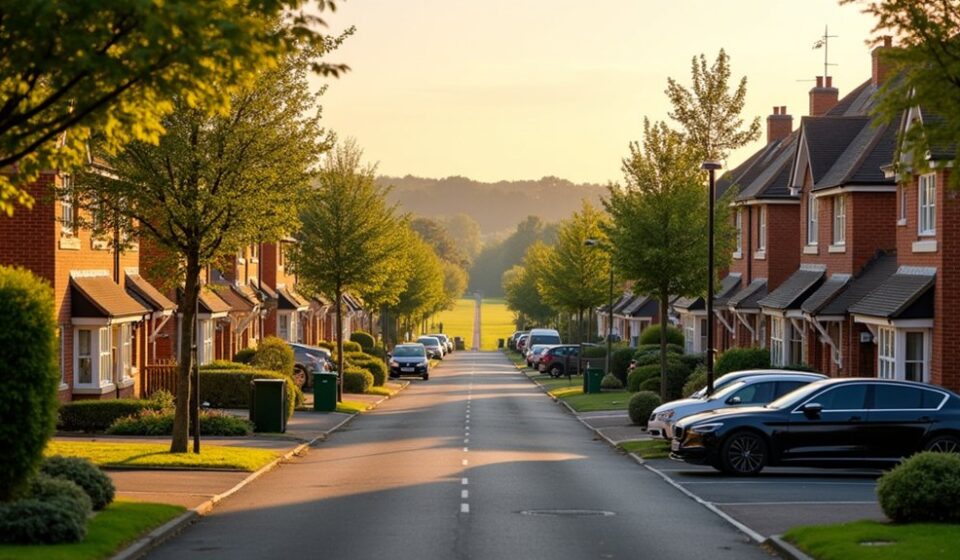

Crawley’s strongest long-term advantage is its access to both London and international travel, with Gatwick and direct rail links shaping daily convenience more than many residents expect. You’ll find practical housing choices, established neighbourhoods, schools, healthcare, and green spaces, but you’ll also need to weigh airport noise, relatively high property costs, and modest nightlife. Whether those trade-offs work for you depends largely on your commute, budget, and preferred pace of life—factors worth examining closely.
Key Takeaways
- Crawley offers excellent connectivity, with direct trains to London and easy access to Gatwick Airport, the M23, M25, Brighton, and surrounding towns.
- Housing includes flats, terraces, and family homes, but prices and rents can be high compared with local wages.
- Families benefit from schools, healthcare, supermarkets, parks, sports facilities, and community services supporting convenient everyday living.
- Airport noise, peak-time congestion, limited nightlife, and potential pressure from ongoing development may affect long-term suitability.
- Crawley suits professionals and families prioritising commuting convenience and practical amenities over heritage, nightlife, or a strong cultural scene.
Is Crawley Good for Long-Term Living?

Crawley can be a strong choice for long-term living if you value excellent transport links, local employment and convenient amenities without paying London prices. You’ll find a practical housing market, with apartments, terraces and family homes spanning different budgets, although prices vary considerably by neighbourhood and property condition.
The town’s employment base, supported by Gatwick, business parks and established employers, can strengthen rental demand and reduce commuting risk. You’ll also benefit from schools, healthcare, shopping and leisure facilities close to established residential areas.
Local culture adds character through theatres, community events and varied dining, while outdoor activities include Tilgate Park, countryside trails and accessible green spaces.
Before buying, compare service charges, council-tax bands, noise levels and planned development. Crawley suits you best if convenience and value outweigh village charm.
What Makes Crawley’s Location So Convenient?
Set between London and the south coast, Crawley gives you unusually strong regional connectivity for a town of its size. You can reach London by train in roughly 40 minutes, while Gatwick Airport sits immediately north, supporting convenient domestic and international travel.
The M23 links you directly to the M25, Brighton, and the wider motorway network, making commuting and weekend trips more manageable. You’ll also find major employers, business parks, and essential services close to established residential neighbourhoods, reducing everyday travel time.
Beyond transport, Crawley’s location gives you practical access to Sussex villages, the High Weald, and coastal destinations. That balance lets you enjoy natural scenery without sacrificing urban convenience.
Local culture, leisure facilities, and nearby attractions add further choice when you’re evaluating long-term liveability.
How Much Does Living in Crawley Cost?
To judge Crawley’s long-term affordability, you’ll need to compare local housing and rent costs with your budget and likely income.
You should also account for everyday expenses, including energy, transport, groceries, and council tax, which can materially affect monthly outgoings.
Current listings and household-cost data will give you a more reliable picture than headline averages alone.
Housing And Rent Costs
Although Crawley’s housing market isn’t among Sussex’s cheapest, it can offer better value than nearby commuter hotspots such as Brighton or much of Surrey. You’ll typically find a broader mix of flats, terraces, and family homes, with prices influenced by proximity to the town centre, Gatwick, and railway stations.
If you’re renting, one-bedroom flats generally provide the lowest entry point, while larger homes command a substantial premium. Affordable apartments do exist, but competition can be intense, particularly for well-connected properties.
Check current Rental market trends rather than relying on old listings: rents and availability can shift quickly. Compare total monthly costs, lease terms, parking, and commuting convenience before committing.
For long-term stability, review recent sold prices and rental listings, then negotiate where a property has remained available.
Everyday Living Expenses
Your everyday budget in Crawley will depend largely on housing, commuting, and household size, but day-to-day costs can be more manageable than in Brighton or nearby Surrey commuter towns.
Groceries typically offer good value through supermarkets, while independent shops and markets can help you compare fresh produce prices.
Eating out varies: cafés, takeaways, and local cuisine provide affordable choices, though frequent restaurant meals will quickly increase spending.
Transport costs depend on your routine; rail fares to London can be substantial, so check season tickets, flexible fares, and employer schemes before committing.
You’ll also need to budget for utilities, council tax, broadband, insurance, and occasional parking charges.
Free outdoor activities, including parks, commons, and nearby countryside, can keep leisure costs low.
Tracking monthly spending will show whether Crawley suits your long-term financial plans.
Which Crawley Neighbourhoods Suit You Best?
Choosing where to live in Crawley depends on your priorities, budget and daily travel needs.
If you’re raising a family, consider neighbourhoods with strong schools, parks and local amenities.
While commuters should prioritise access to Crawley railway station, the M23 and Gatwick Airport.
Comparing property prices, journey times and available services will help you identify the best fit.
Family-Friendly Neighbourhoods
Where can families find the best balance of space, schools and everyday convenience in Crawley? Maidenbower appeals to buyers seeking modern homes, green corridors and play areas, while Pound Hill offers established streets, larger gardens and a settled community feel.
If you value character and central amenities, Goffs Park provides attractive older housing near open space, although prices can reflect its popularity.
Tilgate suits families prioritising parks and recreation, with woodland, a lake and sports facilities close by.
Northgate and Broadfield provide varied housing and accessible local services, but you should compare individual streets, school performance and traffic levels before committing.
Attend community events, visit at different times and check planning applications.
Your budget, preferred property type and children’s schooling should guide the shortlist, not reputation alone.
Commuter-Friendly Locations
For commuters, Crawley’s neighbourhood choice can affect both journey time and daily costs, not just property value. If you travel by rail, central Crawley, Three Bridges, and Southgate offer practical access to Crawley and Three Bridges stations, with regular services towards London, Gatwick, and Brighton.
Three Bridges typically suits frequent rail commuters best, although homes may command a premium because of connectivity. If you drive, consider neighbourhoods with straightforward access to the A23, M23, and Manor Royal, while checking peak-time congestion rather than relying on map distances.
Pound Hill and Maidenbower can appeal to buyers seeking quieter streets, but compare bus links and station access carefully. Your lifestyle matters too: central areas provide local dining and cultural events, helping balance commute efficiency with long-term liveability and resale appeal.
How Good Are Crawley’s Schools and Healthcare?

Crawley offers a practical mix of schools and healthcare services for long-term residents, with primary and secondary options across the town and access to NHS care through Crawley Hospital, local GP surgeries and nearby specialist facilities.
For you, school quality depends on the specific catchment, inspection outcomes, results and available places, so check each school before committing to a property.
- Schools: Compare Ofsted reports, published performance data, admissions rules and sixth-form pathways.
- GP access: Check registration availability, practice reviews, appointment systems and pharmacy locations.
- Hospital care: Consider Crawley Hospital’s services, referral routes and travel time to larger specialist centres.
Healthcare services are convenient overall, though demand can affect GP and hospital waiting times.
Reviewing catchments and NHS access alongside property costs gives you a more reliable long-term assessment than relying on town-wide averages.
Always verify current data directly.
What Is Daily Life Like in Crawley?
With a balance of residential neighbourhoods, green spaces and convenient transport links, daily life in Crawley can feel practical rather than picturesque. You’ll find supermarkets, pharmacies, cafés and essential services spread across neighbourhoods, while Crawley town centre adds larger retailers, restaurants and leisure venues.
Local cuisine is varied rather than distinctive, with independent takeaways, familiar chains and international options covering everyday needs. For outdoor activities, you can use Tilgate Park’s woodland, lake and trails, or visit Buchan Country Park and nearby green spaces.
Community centres, libraries and sports facilities support regular social routines, although entertainment feels more functional than fashionable. Housing value, amenities and family-friendly infrastructure strengthen Crawley’s long-term appeal.
However, you should compare each neighbourhood carefully, as noise, property condition, parking and access to services differ noticeably.
How Easy Is Commuting From Crawley?
Transport is one of Crawley’s strongest advantages for long-term residents, particularly if you commute to London, Gatwick or nearby Sussex towns. You’ll find practical connections by rail, bus and road, helping you compare journey times before choosing a home.
- London: trains from Crawley reach London Victoria and London Bridge in roughly 35–50 minutes, depending on the service.
- Gatwick: frequent trains and buses make the airport accessible for work, travel and visiting clients.
- Sussex: road and rail links connect you with Brighton, Horsham and East Grinstead.
Public transport supports car-free routines, while the town’s network keeps everyday trips manageable. Local amenities near stations can reduce walking and parking time.
Check peak fares, reliability, and your exact route before committing, as small timetable differences can considerably affect your weekly budget.
What Are Crawley’s Main Drawbacks?
Although Crawley offers strong connectivity, its drawbacks can matter over the long term: airport noise affects some neighbourhoods, house prices and rents can be high relative to local wages, and busy roads may create congestion at peak times.
You should compare several streets before buying or renting, as sound levels, parking pressure, and property condition can vary considerably. Traffic congestion around major routes and junctions may lengthen school-run or shopping journeys, particularly during weekday peaks.
You’ll also find that local amenities are practical rather than especially varied; limited nightlife can mean travelling to Brighton, London, or nearby towns for broader evening entertainment.
Rapid development may add facilities, but it can also increase demand for transport and services. Check planning applications, council data, and your likely commute before committing to a long-term move.
Who Is Crawley Best Suited For?

Crawley is best suited to professionals and families who value fast regional and London connections, practical amenities, and access to major employment hubs over a lively cultural scene. You’ll benefit most if your work links to Gatwick, London, Brighton, or nearby business parks, while Crawley’s schools, parks, healthcare, and retail support daily routines.
You’re likely to fit well if you value:
- Convenient commuting: rail and road links can reduce travel friction, though you should test peak-time journeys.
- Family practicality: neighbourhood amenities, green spaces, and varied housing can support long-term routines.
- Balanced costs: compare property prices, service charges, and commuting expenses against your budget.
If Local culture and Community events matter greatly, assess venues and programmes before moving. Crawley suits buyers seeking functionality and connectivity; it may feel less compelling if you prioritise nightlife, heritage, or a dense independent cultural scene.
Frequently Asked Questions
What Is Crawley’s Local Council Tax Rate?
Crawley’s council tax rates vary by property band and parish, so you’ll need your exact address for precision. For budgeting residential costs, check West Sussex County Council’s latest bill, including district and police charges.
Are There Community Groups and Clubs in Crawley?
You’ll find Crawley’s community groups and clubs plentiful, forming a social backbone through sports, arts, faith, and volunteering. Explore local activities via council listings, libraries, and neighborhood networks to strengthen community engagement and connections.
How Reliable Are Crawley’s Broadband and Mobile Networks?
You’ll generally find reliable Internet connectivity in Crawley, with widespread fibre broadband and 4G/5G coverage. Check your specific postcode, provider performance, and indoor signal strength, because speeds and mobile reliability vary between neighbourhoods and buildings.
What Planning Developments Could Affect Crawley’s Future?
You’ll see Crawley’s future shaped like a growing tree: urban expansion may add homes and jobs, while transportation infrastructure upgrades improve connectivity. Track consultations, delivery timelines, congestion evidence, and infrastructure funding before judging long-term investment or living prospects.
Are There Pet-Friendly Facilities and Services in Crawley?
Yes, you’ll find pet-friendly facilities across Crawley, including designated Pet parks, dog-friendly cafés, grooming businesses, and accessible Veterinary clinics. Check individual policies, opening hours, and customer reviews before choosing services for your pet.
Conclusion
If you’re seeking practical long-term living, Crawley can be a dependable springboard rather than a glamorous destination. Excellent transport, nearby Gatwick, varied housing, green spaces, schools, and healthcare give you a solid everyday foundation. You’ll need to weigh higher property costs, aircraft noise, and quieter nightlife against those advantages. Choose your neighbourhood carefully, compare commuting and housing costs, and Crawley can provide a well-connected, family-friendly base that keeps opportunity within easy reach.