
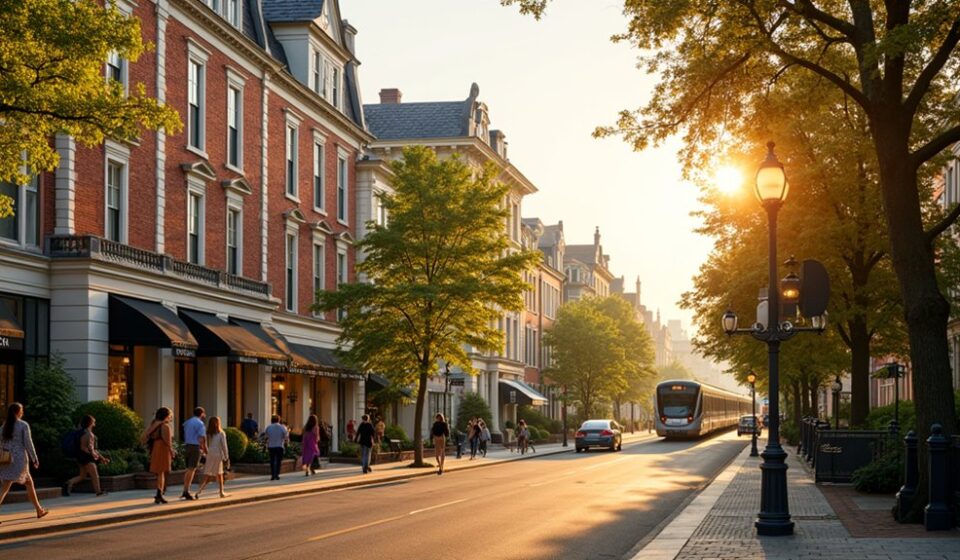

If you’re weighing a move to Greenwich, you’ll find more than attractive period homes and riverside views. Fast links to central London, strong schools, abundant green space, and a resilient rental market continue to support demand, while limited housing supply helps underpin values. Costs vary sharply between neighbourhoods and property types, so the right choice depends on your priorities, budget, and plans. The key differences emerge when you compare each area more closely.
Key Takeaways
- Greenwich combines riverside scenery, historic architecture, green spaces, and vibrant cultural attractions with a distinctive community atmosphere.
- Excellent rail, river, road, bus, and airport connections provide convenient access to central London, Canary Wharf, the City, and beyond.
- Strong schools, family-friendly neighborhoods, and abundant parks attract households seeking education, outdoor space, and a balanced lifestyle.
- Limited housing supply, affluent demand, and resilient local employment help support property values and long-term investment appeal.
- Diverse homes, from period houses to modern apartments, offer options for commuters, families, renters, and buyers with varying priorities.
What Makes Greenwich So Desirable?
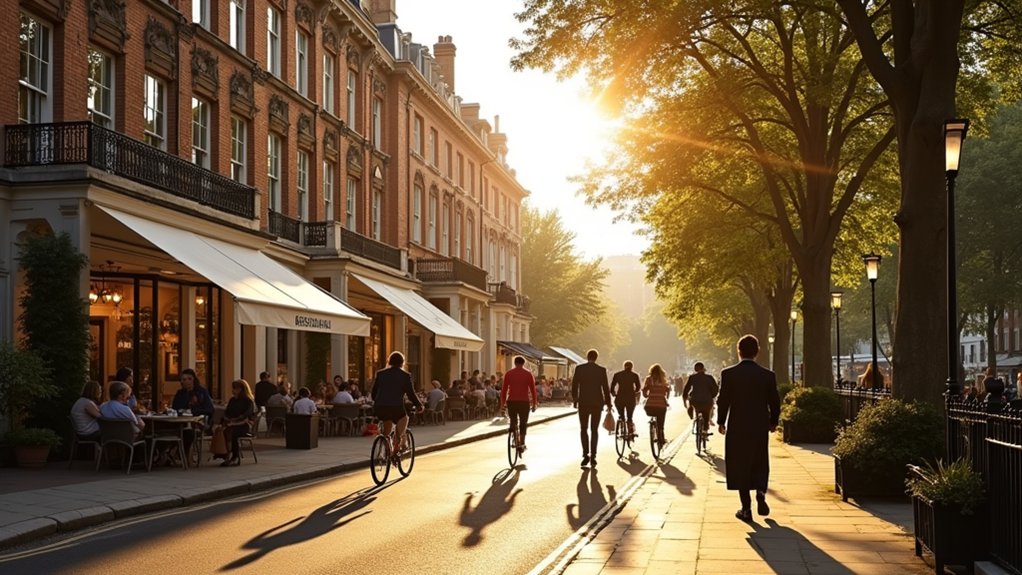
Greenwich attracts buyers and renters with its coastal setting, strong schools, convenient rail access to Manhattan, and resilient local economy. You’ll also find a housing market supported by limited inventory, high household incomes, and sustained demand for well-located properties. That scarcity can protect values, although pricing varies sharply by neighborhood, condition, lot size, and proximity to downtown amenities.
Beyond the numbers, Greenwich gives you a strong everyday lifestyle. You can shop independent boutiques, dine along Greenwich Avenue, and enjoy parks, beaches, marinas, and cultural programming.
Annual Greenwich festivals create community energy across seasons, while local craftsmanship appears in restored colonials, custom renovations, and carefully maintained historic homes. These details help distinguish Greenwich from competing suburbs and support both rental appeal and long-term ownership.
You’re buying access, character, and durable local demand—not merely square footage.
How Greenwich Connects You to London
You’ll reach Central London quickly via the Jubilee line, with Canary Wharf and Waterloo within easy commuting range.
Greenwich railway connections add practical links across southeast London, supporting strong rental and buyer demand.
River services, A2 road access and nearby tunnels give you further flexibility for work, travel and everyday life.
Fast Central London Links
With central London only a short journey away, you can reach London Bridge in around 10 minutes by Southeastern train, Cannon Street in roughly 13 minutes, and Canary Wharf in about 8 minutes via the Jubilee line from North Greenwich.
These reliable journey times strengthen Greenwich’s appeal for professionals balancing city careers with riverside living, while supporting rental demand and long-term resale potential.
You can enjoy a calmer setting without sacrificing access to major employment hubs, cultural venues, and international connections from nearby London City Airport.
Greenwich history and local festivals add lifestyle value, giving the area a distinct identity beyond its transport advantages.
For buyers, that combination can broaden the potential tenant pool; for renters, it means more time at home and less time commuting.
The result is practical connectivity with genuine neighbourhood character.
Greenwich Railway Connections
Although Greenwich is well connected by several routes, its railway network offers the most straightforward access to central London for daily commuters. From Greenwich station, Southeastern trains reach London Bridge in around eight minutes, with frequent services continuing to Cannon Street and Charing Cross.
You can also use Maze Hill for connections towards central London, while Westcombe Park serves residents across the eastern side of the borough. These stations give you practical choice when comparing homes, helping protect rental demand among professionals who value predictable journeys.
You’ll also live close to Greenwich’s historical landmarks, riverside walks, and Greenwich nightlife without sacrificing weekday convenience. For buyers, reliable rail access can support resale appeal; for renters, it reduces commuting friction.
Check current timetables and peak fares before committing, as service patterns and costs vary.
River and Road Access
Beyond the rail network, Greenwich’s Thames Clippers services provide a practical alternative for reaching Canary Wharf, the City, and central London, with journey times and fares that can compete with peak-hour road travel. You’ll also benefit from direct river access for work, leisure, and airport connections via nearby London City Airport.
For drivers, the A2 and Blackwall Tunnel link Greenwich with southeast London, the City, and the wider motorway network, although rush-hour delays still affect journey-time reliability.
That balance matters when you compare homes: fast transport can support rental demand, while marina views and riverside parks strengthen lifestyle appeal.
Local bus routes add practical coverage across the peninsula and toward Lewisham, Woolwich, and Charlton. Together, these options give you flexibility—and help protect Greenwich’s long-term buyer and renter appeal.
Greenwich Homes for Buyers and Renters
You’ll find Greenwich homes ranging from period terraces and riverside apartments to modern developments, giving you options across price points and lifestyles.
Desirable areas such as Greenwich Peninsula, Blackheath, and West Greenwich offer distinct local character, transport links, and buyer appeal.
Strong rental demand, supported by the area’s connectivity and amenities, can also strengthen your investment case.
Diverse Property Options
Whether you’re buying a period townhouse, a modern apartment, or renting a family home near Greenwich Park, Greenwich offers varied properties across distinct price points and lifestyles. You’ll find compact one-bedroom flats suited to professionals, larger terraces for growing households, and detached homes commanding premium prices.
Luxury apartments often add concierge services, residents’ gyms, and river-facing views, while converted warehouses provide open-plan layouts and contemporary finishes.
Buyers seeking character can choose Victorian and Georgian homes showcasing historic architecture, though maintenance and energy-efficiency costs deserve careful assessment.
Rental stock spans furnished flats, family houses, and flexible short-term options, helping you match tenure to your plans.
Compare recent sold prices, rental yields, service charges, and mortgage affordability before committing, because property condition can considerably influence your total cost.
Desirable Neighborhoods
Location can matter as much as property type when you’re comparing Greenwich homes for buyers and renters. In Old Greenwich, you’ll find a walkable village atmosphere, beach access, and strong appeal for buyers prioritizing convenience.
Cos Cob offers a more residential setting, commuter access, and varied housing stock.
Riverside attracts you with established streets and proximity to Metro-North.
Downtown Greenwich puts shops, restaurants, and cultural amenities within easy reach, supporting consistent buyer interest.
If you prefer larger lots and privacy, Banksville and backcountry neighborhoods provide a different lifestyle, though inventory can be limited and pricing reflects scarcity.
Historical landmarks and Local festivals add character across these communities, helping you evaluate more than square footage.
Compare recent comparable sales, property taxes, commute times, and neighborhood turnover before choosing your fit.
Strong Rental Demand
Greenwich’s strong rental demand is supported by commuter access, limited inventory, and steady interest from professionals seeking proximity to New York City without giving up space or amenities.
If you’re evaluating Greenwich homes for buyers and renters, you’ll find consistent leasing activity in downtown, Old Greenwich, Cos Cob, and Riverside. Tenants value Metro-North access, reputable schools, waterfront amenities, and larger residences than they might secure in Manhattan or Brooklyn.
Limited available rentals can shorten marketing periods and support competitive pricing, although seasonality and property condition still influence results.
Track rental market trends by comparing asking rents, concessions, days on market, and renewal rates—not headline listings alone.
For you as an investor, well-located homes with flexible layouts can offer durable occupancy and strengthen a broader property investment strategy, provided you budget carefully for taxes, maintenance, and management.
Which Greenwich Neighbourhood Suits You?
Choosing the right Greenwich neighbourhood depends on your priorities: riverside living, faster commutes, period character, or stronger value.
Greenwich town centre suits you if you want walkable cafés, independent shops, National Maritime Museum access, and excellent rail and DLR links.
For historical landmarks and waterfront activities, the Peninsula offers modern apartments, the O2, riverside paths, and quick Jubilee-line connections, appealing to professionals who value convenience.
Blackheath gives you village atmosphere, green space, handsome period homes, and direct trains into central London.
Charlton can provide more space and improving connectivity, while Eltham appeals to families seeking parks, schools, and a suburban rhythm.
Compare transport times, property types, outdoor access, and local development pipelines before deciding.
Your best fit depends less on postcode prestige than on how you’ll use Greenwich every day.
How Much Does Greenwich Living Cost?
Once you’ve narrowed down the right Greenwich neighbourhood, the next question is whether it fits your budget. Greenwich remains one of London’s premium markets, with prices shaped by conservation areas, excellent transport, and limited housing supply.
You’ll typically pay more for period homes near the park, river, or village centre, while modern developments and well-connected flats can offer comparatively better value.
Rental costs vary sharply by size, condition, and location. A compact one-bedroom may command a substantial monthly premium, while luxury apartments with concierge services, terraces, or parking sit at the top of the market.
Historic architecture also attracts buyers, but period features can bring higher maintenance and heating bills. Before committing, compare recent sold prices, service charges, council tax, and commuting costs.
A realistic all-in budget will help you judge Greenwich value accurately.
Greenwich Schools That Attract Families
For families weighing a move, Greenwich schools are a major part of the area’s appeal, with strong state primaries, respected secondary options, and independent schools within reach. You’ll find choices across Greenwich, Blackheath, and nearby Eltham, although admissions depend on catchment boundaries, application timing, and each school’s latest performance data.
Reviewing Ofsted reports, published results, admissions policies, and travel times will help you compare options realistically rather than relying on reputation alone.
For buyers, proximity to sought-after primary schools can support demand and resale appeal, while renters often value flexibility near well-regarded secondary schools.
Independent options, including Eltham College and Colfe’s School, widen the choice, but fees and entry requirements affect affordability.
Strong Family education provision thus remains a practical consideration when you’re evaluating Greenwich property.
Why Greenwich Green Spaces Stand Out

Greenwich’s green spaces add measurable lifestyle value, with Greenwich Park, Blackheath, and the riverside paths offering residents room to exercise, socialise, and unwind without leaving the borough. These Urban parks support daily routines, from morning runs beside the Thames to weekend walks around the Royal Observatory.
You’ll also find sports pitches, playgrounds, and open lawns that make outdoor time practical for households of different ages. Community gardens add another layer, giving residents opportunities to grow food, meet neighbours, and strengthen local ties.
For buyers and renters, proximity to well-maintained green space can improve everyday convenience and reinforce long-term property appeal. Homes near parkland often benefit from stronger demand, while Greenwich’s varied landscapes give you choice without sacrificing excellent transport connections or access to central London.
Dining, Shopping, and Culture in Greenwich
Beyond its green spaces, Greenwich gives you a strong mix of independent dining, high-street shopping, and cultural attractions within a compact, walkable setting. You can sample local cuisine at cafés, restaurants, and food stalls around Greenwich Market, where independent operators create variety that chain-led centres often lack. The market also supports regular footfall, helping sustain the area’s distinctive retail offer.
Along Greenwich Church Street and nearby high streets, you’ll find boutiques, specialist shops, everyday services, and well-known brands within easy reach. Cultural anchors strengthen the appeal: the National Maritime Museum, Old Royal Naval College, and Cutty Sark provide year-round interest, while theatres, galleries, and entertainment venues add evening activity.
For buyers and renters, this concentration of amenities supports convenience, visitor demand, and a lively local economy.
Is Greenwich Right for Your Lifestyle?
Your ideal Greenwich home will depend on how you balance connectivity, space, and local character. If you commute, compare properties near Greenwich, Cutty Sark, or North Greenwich stations, where fast links can support rental demand and preserve resale appeal.
If you work remotely or need family space, consider quieter streets in Westcombe Park, Blackheath, or Charlton, weighing larger floor plans against longer journeys.
Your lifestyle also matters beyond the address. Greenwich nightlife suits you if you value waterside pubs, live music, and late dining, while the Greenwich art scene offers galleries, exhibitions, and events at the National Maritime Museum and local venues.
Buyers should test weekday noise, weekend footfall, and service charges before committing. Renters can use shorter leases to explore different pockets.
Match your priorities to the area, and Greenwich can deliver both convenience and character.
Frequently Asked Questions
Are There Hospitals and Healthcare Facilities Conveniently Located in Greenwich?
Yes, you’ll find strong Healthcare accessibility and Medical facilities proximity in Greenwich, with Greenwich Hospital centrally located, nearby specialists, urgent care, pharmacies, and Stamford’s larger medical network just minutes away, supporting convenient everyday care.
What Council Tax Bands Apply to Greenwich Properties?
By candlelight, you’ll find Greenwich properties assessed across England’s A–H council tax bands; your property valuation determines charges. Check Greenwich Council’s current rates, discounts, and tax exemption eligibility before budgeting for purchase or rent.
How Safe Is Greenwich Compared With Other London Neighbourhoods?
You’ll find Greenwich generally safer than many inner-London neighbourhoods, though local crime rates vary by ward. Check Met Police data, prioritise well-lit streets, and note community safety initiatives when comparing specific properties.
Are Pets Generally Allowed in Greenwich Rental Properties?
You’ll find Greenwich rentals welcoming pets in a universe of listings, but approval varies. Check pet policies and rental restrictions carefully; landlords may request references, deposits, or insurance, especially for furnished homes and flats.
What Is the Process for Moving to Greenwich From Overseas?
For international relocation to Greenwich, check visa requirements first, secure accommodation, budget for deposits and taxes, arrange healthcare, schools, shipping, and utilities, then coordinate arrival with an experienced local relocation adviser.
Conclusion
Whether you’re buying a period home, renting near the river, or investing for the long term, Greenwich offers a compelling balance of lifestyle and value. You’ll benefit from fast London connections, respected schools, abundant green space, and a thriving cultural scene, while limited supply supports enduring demand. Like a well-anchored vessel, the area remains resilient through changing markets. If you value character, convenience, and community, Greenwich could be the smart move you’ve been looking for.