
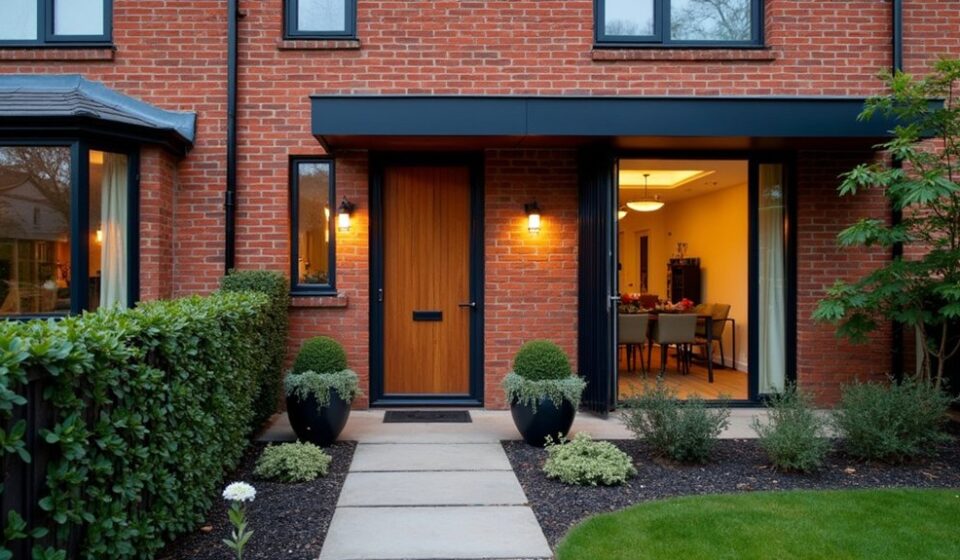

Smart renovations can raise your UK property’s value, but only when you match spending to local demand and realistic resale returns. Start by setting a firm budget and value target, then prioritise improvements buyers consistently notice: an efficient kitchen, a refreshed bathroom, better insulation, and stronger kerb appeal. Adding usable space can also pay off if the design suits your home. However, some upgrades look impressive yet rarely recover their cost—so your first decisions matter most.
Key Takeaways
- Set a realistic renovation budget using recent local sold prices, detailed quotes, and a 10–15% contingency fund.
- Prioritise kitchens and bathrooms with neutral finishes, durable materials, improved lighting, and practical storage.
- Improve energy efficiency through insulation, draught-proofing, modern heating, double glazing, LEDs, and smart controls.
- Add valuable living space through well-planned loft conversions, extensions, or insulated garden rooms where local demand supports costs.
- Preserve period features, obtain required approvals, and avoid over-customised upgrades unlikely to deliver broad buyer appeal.
Set a Renovation Budget and Value Target
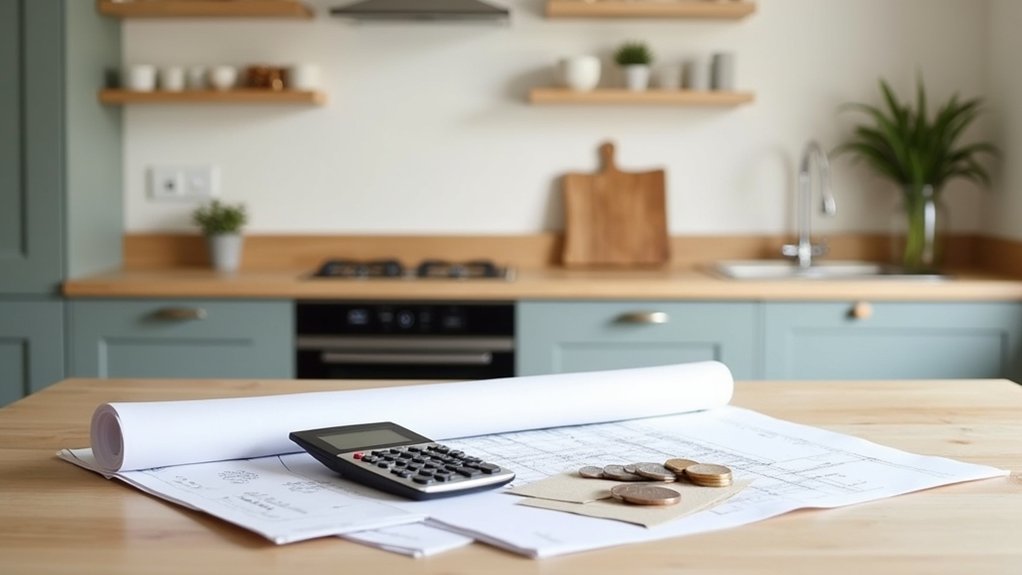
Before you renovate, set a firm budget and a measurable value target based on comparable properties in your market. Check recent sold prices, not optimistic asking prices, through Land Registry data and local agent evidence.
Then define your ceiling: aim to spend no more than the value uplift you can reasonably achieve, while keeping a contingency of 10–15% for surprises.
Build a detailed cost estimation covering labour, materials, professional fees, approvals, waste removal, temporary accommodation, and finance costs. Obtain multiple written quotes, verify VAT treatment, and separate essential work from cosmetic extras.
Use ROI analysis to compare each proposed improvement’s likely gain against its total cost. Factor in your holding period, tax position, and selling costs.
If projected returns look weak, reduce the scope before committing funds, and protect cash reserves throughout the project.
Upgrade Your Kitchen for Broad Appeal
Upgrade high-impact features such as appliances, lighting, and worktops to improve daily function and buyer appeal.
Choose timeless finishes that won’t date quickly, helping protect your renovation’s resale value.
Maximise storage with efficient cabinetry and smart organisers, since practical space remains a strong selling point.
Modernise Key Features
Modernising your kitchen can make your property more competitive, as buyers often view it as a key indicator of overall condition and value. Focus your budget on features that improve daily use and demonstrate efficient maintenance. Replace worn appliances with energy-efficient models, install practical task lighting, and maximise storage with fitted drawers or pull-out cupboards.
Integrating smart tech, such as app-controlled heating, lighting, or appliance monitoring, can strengthen your home’s appeal without excessive cost. Choose eco-friendly materials for worktops, cabinetry, or flooring where durability and provenance are clear; buyers increasingly notice running costs and environmental impact.
Improve ventilation, plumbing, and electrical safety before cosmetic upgrades, as survey issues can reduce offers. Obtain comparable local valuations first, then prioritise improvements likely to deliver measurable buyer demand and a competitive return.
Choose Timeless Finishes
Choose timeless finishes such as neutral cabinetry, durable stone-effect worktops, and understated hardware to broaden your kitchen’s appeal and reduce the risk of an expensive, short-lived trend. These choices help you create a polished backdrop that suits varied tastes, supporting stronger buyer interest when you sell.
Prioritise classic materials, including natural timber, porcelain, ceramic, and engineered stone, where budgets allow. They typically withstand daily use better than fragile fashion-led alternatives and can reduce replacement costs.
Keep colours restrained: white, warm grey, taupe, and muted green generally photograph well and coordinate with different furnishings. You can add personality through easily changed accessories, lighting, or paint rather than permanent features.
Compare quotes carefully, check warranties, and choose finishes with proven durability. A cohesive, low-maintenance specification can improve perceived quality without overcapitalising on your renovation.
Maximise Storage Space
Maximising storage can make your kitchen feel larger, more functional, and more appealing to buyers. Prioritise efficient layouts, full-height cabinets, and deep drawers that use every centimetre without making the room feel crowded.
Add pull-out larders, corner carousels, and integrated recycling bins to improve daily usability. Hidden compartments can keep appliances, chargers, and cleaning supplies out of sight, creating the uncluttered appearance buyers value.
Choose durable, neutral cabinetry and soft-close hardware to signal quality without overspending on personalised features.
If your kitchen connects to a hallway, consider under stair storage for bulkier items, freeing valuable cupboard space.
Measure carefully before ordering, and compare installation costs with likely local resale gains.
Practical storage improvements often deliver stronger broad-market appeal than luxury finishes that suit only one buyer.
Refresh Your Bathroom Without Overspending
A budget-friendly bathroom refresh can deliver a strong return when you focus on visible, high-impact updates rather than a full renovation. Start with tired grout, cracked sealant and dated paint; these inexpensive fixes immediately improve buyer perception.
Replace damaged taps, a worn showerhead or an old toilet seat with stylish budget friendly fixtures, choosing finishes that complement your property’s overall specification. A framed mirror, brighter lighting and coordinated towel rails can make the room feel larger and more considered.
If the suite works well, keep its layout to avoid costly plumbing changes. Choose durable, eco conscious materials such as recycled glass accessories or responsibly sourced timber shelving, while prioritising easy maintenance.
Before spending, compare local listings and buyer expectations: a clean, contemporary bathroom can strengthen your property’s presentation without consuming your renovation budget.
Improve Energy Efficiency and EPC Rating
Improving your property’s energy efficiency can lower running costs and strengthen its appeal to buyers, particularly as EPC ratings increasingly influence purchasing decisions. Start with an EPC assessment to identify improvements offering the strongest return.
Loft, cavity-wall and floor insulation upgrades can reduce heat loss, while draught-proofing and double glazing improve comfort and efficiency.
Replace outdated boilers with efficient heat pumps or modern condensing systems, checking installation costs, maintenance and available grants before committing.
Solar panels can cut electricity bills and appeal to buyers seeking lower-carbon homes, although you should compare roof orientation, export tariffs and payback periods.
Smart thermostats and LED lighting provide relatively inexpensive gains.
Keep invoices, certificates and warranties: clear evidence helps valuers and purchasers recognise your investment and may support a stronger asking price.
Create Valuable Extra Living Space
You can add value by converting your loft, extending your living area, or building a garden room.
Compare each project’s cost with local price-per-square-metre data before committing.
Prioritise the option that adds practical space while appealing to the widest range of buyers.
Convert Your Loft
Converting an underused loft can add valuable living space and increase your home’s market appeal, provided the structure and layout support a compliant conversion. First, commission a structural survey to confirm headroom, floor strength, roof condition, and escape routes.
Check whether you need planning permission, and guarantee the design meets Building Regulations for stairs, fire safety, insulation, and electrics. Prioritise usable floor area over extravagant finishes: a bright bedroom, home office, or shower room usually appeals to more buyers.
Install effective Loft insulation, while preserving attic ventilation to prevent condensation, damp, and timber decay. Use rooflights strategically to maximise daylight without compromising privacy.
Obtain completion certificates and retain invoices; buyers and valuers view documented compliance positively. Compare local sold prices before spending, because an over-improved loft may not recover its full cost in your neighbourhood.
Extend Your Living Area
If a loft conversion won’t provide enough usable space, a well-planned extension can add floor area and strengthen your home’s market appeal. Prioritise a kitchen-diner or larger family room, because buyers often value flexible, connected living spaces.
Open plan layouts can improve light and flow, but include defined zones so the room remains practical for cooking, dining and relaxing. Before committing, compare construction costs with local sold prices; extra square metres won’t automatically recover their investment.
Check planning permission, building regulations, drainage and party-wall requirements early to prevent expensive delays. Use durable finishes, generous glazing and efficient insulation to make the addition feel permanent, comfortable and economical.
Built-in storage and multi functional furniture can preserve floor space, while matching the existing architecture helps your extension look intentional rather than bolted on.
Add A Garden Room
A well-designed garden room can add usable space for a home office, gym or guest suite without the cost and disruption of a full extension. Before building, check permitted-development limits, drainage, access and insulation standards.
A year-round room with heating, double glazing, reliable electrics and broadband will attract more buyers than a basic summerhouse. Research local sales to estimate whether the investment fits your ceiling price; you won’t recover every pound automatically.
Keep the footprint proportionate to your garden, preserve practical lawn space and avoid overlooking neighbours. Strong garden aesthetics matter, so match materials, colours and landscaping to the house.
Add secure outdoor lighting, planting and a defined path to improve usability and kerb appeal. Obtain multiple quotes, confirm warranties and calculate running costs.
Document approvals and certificates to reassure valuers and future buyers.
Boost Kerb Appeal With Simple Exterior Updates
Boosting kerb appeal doesn’t require a major renovation: fresh exterior paint, a well-maintained front door, updated house numbers, and tidy landscaping can make your property look newer and more inviting. These improvements create a strong first impression, which matters when buyers compare similar homes online and in person.
Prioritise repairs buyers notice immediately, including cracked paths, peeling paint, overflowing gutters, and untidy boundaries. Choose durable, neutral finishes that complement your home’s period and neighbouring properties.
Add defined garden planting with seasonal colour, trimmed hedges, and a clear route to the entrance. Well-positioned exterior lighting can improve evening presentation and perceived security, particularly around steps, gates, and doorways.
Set a budget, photograph the result, and compare your listing with competing properties. Small, visible upgrades often deliver better marketing impact than expensive cosmetic changes.
Keep every improvement cohesive and easy to maintain.
Avoid Renovations That Reduce Your Return

Before committing to a major renovation, check whether local sale prices support the cost, since buyers rarely repay every pound spent. Compare recent, like-for-like sales and estimate your project’s likely value uplift before approving work.
Over-customised kitchens, luxury bathrooms, and expensive technology can narrow your buyer pool, particularly in modest neighbourhoods. Protect the property’s character too: Historical preservation may matter more than replacing original fireplaces, cornices, or timber floors with fashionable alternatives.
Get a survey before planning Structural modifications, as removing walls, lowering floors, or adding extensions can expose costly structural, drainage, and planning issues.
Prioritise improvements with broad appeal, such as insulation, efficient heating, sound roofing, and reliable electrics.
Set a contingency fund, obtain multiple quotes, and track costs against expected resale value. If returns look weak, scale back.
Frequently Asked Questions
Do I Need Planning Permission for My Renovation Project?
You may need Planning permissions, depending on your project’s size, location, and design. You’ll usually need Building regulations approval for structural, electrical, or safety work. Check your council’s guidance before starting, avoiding costly delays, fines, or removal.
How Long Do Typical Property Renovations Take to Complete?
Typical renovation timelines range from four weeks for cosmetic updates to six months for structural work. You’ll improve project scheduling by securing approvals, ordering materials early, and adding a 10–20% contingency for delays.
Should I Hire Tradespeople or Manage Renovations Myself?
Hire tradespeople for complex, regulated work; manage cosmetic tasks yourself if you’ve got time and expertise. DIY challenges can inflate costs, while hiring contractors improves speed, compliance, and resale appeal—provided you compare quotes and verify references.
How Can I Protect My Home During Renovation Work?
Protect your home by sealing work zones, covering floors, and using Dust mitigation barriers. Strengthen Home security with monitored alarms, locked storage, and restricted access. Photograph rooms, check insurance, and schedule daily debris removal to reduce damage.
What Insurance Coverage Is Needed During Property Renovations?
You’ll need Insurance types including buildings, contents, public liability, and contractor cover. Compare coverage options, verify exclusions, and notify your insurer before work starts; otherwise, one overlooked clause could turn protection into costly exposure.
Conclusion
Smart renovations can lift your UK property’s value, but you’ll need to spend strategically. Set a clear budget, target upgrades buyers notice, and prioritise kitchens, bathrooms, energy efficiency and genuinely useful space. Improve kerb appeal without overcapitalising, and avoid expensive personal tastes or gimmicks. Check comparable local sales before committing, because what works in one area may not work in another. Remember, slow and steady wins the race: focus on reliable returns, not fashionable features.


