

Like Odysseus preparing for every hazard, you need to anticipate the damage, safety risks, and management challenges that come with student tenants. Start by auditing the property, setting a realistic improvement budget, and choosing materials that can withstand heavy use. Then strengthen essential systems, clarify house rules, and plan regular inspections. These steps protect your investment, but the most expensive weaknesses often hide where first-time landlords least expect them.
Key Takeaways
- Conduct a comprehensive risk audit covering fire safety, locks, electrical systems, plumbing, heating, occupancy limits, insurance, and licensing.
- Choose durable, easy-clean materials and furnishings that withstand frequent use while reducing repair, replacement, and cleaning costs.
- Implement scheduled inspections, preventive maintenance, prompt repairs, and consistent documentation to identify problems before they become expensive.
- Screen tenants lawfully, verify identity and affordability, check rental history, and protect sensitive application information.
- Use clear leases and house rules covering payments, guests, noise, damage, cleaning, occupancy, inspections, enforcement, and emergency procedures.
Start With a Student Rental Risk Audit
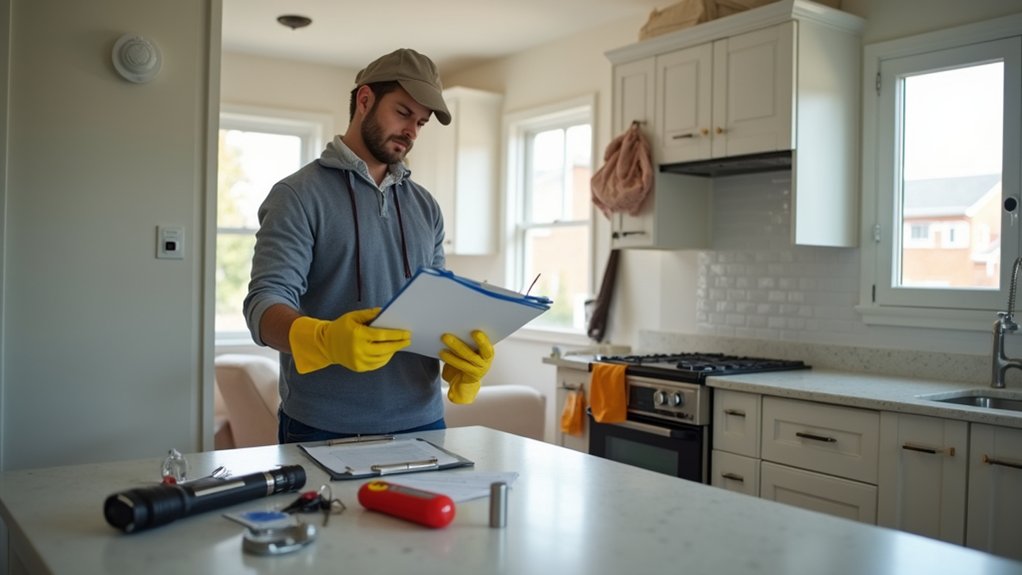
Before you accept your first student tenant, audit the property for risks that could affect safety, durability, and cash flow. Walk every room, basement, exterior area, and shared space. Test locks, smoke alarms, carbon-monoxide detectors, outlets, plumbing, heating, lighting, and stair rails. Look for leaks, mold, trip hazards, weak windows, and overloaded circuits.
Review occupancy limits, fire codes, licensing rules, and insurance requirements before advertising. Then assess tenant-related exposure: multiple occupants, furnished rooms, parties, short leases, guarantors, and emergency contacts.
Align inspections and maintenance with Academic scheduling, because turnover often concentrates between terms. Consider Student budgeting too; predictable utilities, durable furnishings, and clear payment dates reduce disputes.
Document each finding with photographs, assign a risk level, and create a correction list. Don’t accept applications until critical hazards are resolved.
Set a Bulletproofing Budget That Pays Off
Set your budget around high-impact upgrades that reduce damage, maintenance calls, and tenant turnover.
Compare each project’s cost with its expected long-term savings before you commit.
This approach guarantees you’re protecting the property without overspending.
Prioritize High-Impact Upgrades
When you’re setting a bulletproofing budget, focus first on upgrades that prevent costly damage, improve safety, and withstand heavy student use. Prioritize function before style, then choose durable finishes that protect your property without sacrificing aesthetic appeal.
- Harden high-traffic surfaces: Install commercial-grade vinyl flooring, washable paint, and impact-resistant wall panels in entryways, kitchens, and hallways.
- Control water risks: Replace aging supply lines, add leak sensors, and use shutoff valves near appliances and bathrooms.
- Strengthen security: Upgrade exterior lighting, deadbolts, window locks, and clearly visible door numbers.
- Improve energy efficiency: Seal drafts, install programmable thermostats, and choose efficient lighting and appliances.
Inspect each upgrade for tenant usability and maintenance demands. Avoid luxury features that invite damage or deliver little protection. Your budget should make the property tougher, safer, and easier to manage.
Calculate Long-Term Savings
Calculate each upgrade’s total cost against the expenses it can prevent, including emergency repairs, tenant turnover, insurance claims, and lost rental income.
Estimate each improvement’s useful life, annual maintenance cost, and likely payback period.
A reinforced door, leak sensors, or durable flooring may cost more upfront but reduce recurring damage and replacement bills.
Use Financial forecasting to model conservative, expected, and worst-case outcomes over five to ten years.
Include vacancy rates, rent increases, deductibles, and inflation rather than relying on optimistic assumptions.
Prioritize projects that protect cash flow and deliver measurable savings, then schedule them according to your available reserves.
Don’t fund every upgrade at once.
Balance property improvements with Investment diversification, keeping enough liquidity for unexpected repairs.
Review your projections annually, compare actual costs with estimates, and redirect funds toward upgrades producing the strongest long-term returns.
Choose Durable Materials for Student Rentals
Choose materials that can withstand heavy use, spills, and quick turnover without making the property feel institutional. Your material selection should balance appearance, repairability, and replacement cost. Complete a durability assessment before approving finishes, considering cleaning chemicals, moisture, moving furniture, and frequent inspections.
- Select resilient surfaces: Use commercial-grade laminate, quartz-look counters, and sealed, low-maintenance flooring where appropriate.
- Prioritize simple maintenance: Choose finishes that resist staining and clean easily, reducing labor between tenancies.
- Standardize replacements: Keep spare components and consistent product lines so repairs stay quick and affordable.
- Test samples first: Examine materials under realistic lighting and use; inexpensive options may show wear sooner, while premium choices can lower lifecycle costs.
Ask suppliers about warranties, lead times, and care requirements. Durable choices should still feel comfortable and contemporary, helping students respect the space while protecting your investment.
Protect Walls, Floors, Doors, and Fixtures
Durable materials work best when you protect them from predictable student-rental damage. Add wall reinforcement behind high-impact areas, especially near beds, desks, and entryways. Use corner guards, washable paint, and durable skirting to limit scuffs and simplify turnover. Secure loose furniture so it won’t scrape walls or damage flooring.
Protect floors with entrance mats, felt pads, and clearly marked furniture-movement rules. In kitchens and bathrooms, seal vulnerable edges and inspect flooring regularly for moisture-related deterioration. Install doorstops, reinforce hinges, and choose commercial-grade handles to prevent slamming damage.
Replace fragile shelves and mirrors with sturdier alternatives, and anchor wall-mounted items properly.
Prioritize fixture protection by fitting covers or guards around exposed surfaces, while keeping everything accessible for cleaning. Photograph existing conditions, document tenant responsibilities, and schedule inspections before small defects become expensive repairs.
Upgrade Plumbing, Electrical, and Internet Systems
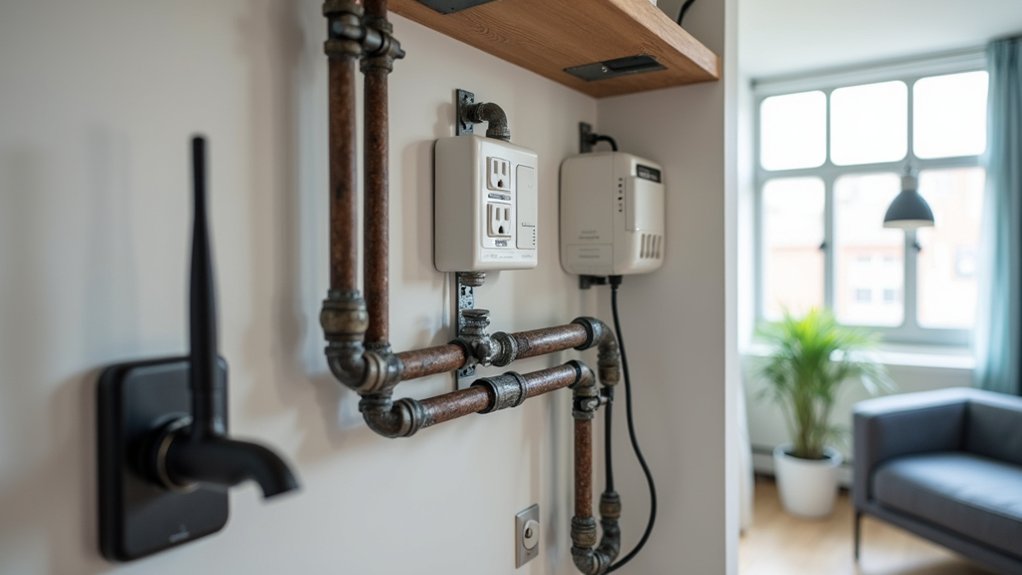
Upgrade the property’s plumbing, electrical, and internet systems before tenant demand exposes their weaknesses. Student households stress every connection, so you’ll protect cash flow by addressing capacity, reliability, and serviceability before move-in.
- Plumbing: Inspect supply lines, drains, water pressure, shutoff valves, and the water heater. Schedule plumbing maintenance, replace aging hoses, and install durable fixtures that tolerate frequent use.
- Electrical: Have a qualified electrician assess panel capacity, outlets, wiring, and circuits. Add grounded outlets and dedicated circuits where modern appliances create overload risk.
- Internet: Plan internet upgrades around occupancy, not the current setup. Run reliable cabling, position access points strategically, and verify coverage throughout bedrooms and shared spaces.
- Documentation: Label shutoffs, breakers, and network equipment. Keep warranties, service records, and vendor contacts organized so you can resolve failures quickly.
Test everything under realistic demand before advertising the property. Reliable infrastructure improves comfort, reduces complaints, and supports stronger reviews.
Build In Essential Student Rental Safety Measures
Build safety into the property before students move in, rather than treating it as a response to accidents. Install smoke and carbon-monoxide alarms on every floor, test them regularly, and provide clear evacuation instructions.
Fit sturdy locks, window restrictors, exterior lighting, and a visible doorbell camera, while respecting Student privacy and local surveillance laws. Secure stair rails, repair trip hazards, and choose slip-resistant flooring, especially near entrances and bathrooms.
Supply fire extinguishers, first-aid essentials, and emergency contacts; document inspections so you can prove consistent care.
Set sensible occupancy limits, label utility shutoffs, and explain safe appliance use during move-in.
Finally, establish written house rules covering guests, smoking, parties, and noise control.
Prevention protects tenants, reduces liability, and helps you preserve the property’s value.
Make Shared Spaces Easier to Clean and Manage
Choose shared-surface materials and layouts that withstand frequent use and simplify routine cleaning. You’ll reduce common cleaning challenges by choosing sealed countertops, stain-resistant flooring, washable paint, and furniture with removable covers. Avoid deep grout lines, fragile finishes, and crowded corners that trap dirt or invite damage.
Improve shared space organization with practical storage and clearly defined zones:
- Install wall-mounted hooks, shelves, and labeled bins for coats, shoes, and supplies.
- Choose tables with wipeable tops and enough clearance for mopping underneath.
- Place durable mats at entrances to limit tracked-in moisture and grit.
- Keep cleaning tools accessible in a ventilated utility cabinet, with a nearby bin for waste.
You’ll make inspections faster and maintenance more predictable when every item has a logical home. Prioritize layouts that support quick resets, good airflow, and unobstructed access to high-touch surfaces.
Screen Tenants and Set Clear House Rules

Screen every applicant by verifying their identity, rental history, income, and references before you approve a tenancy.
Define house rules for noise, guests, cleanliness, smoking, and shared spaces so expectations stay clear from day one.
Document these requirements in the lease, review them with each tenant, and obtain signed confirmation.
Verify Tenant Backgrounds
Before handing over the keys, verify each applicant’s identity, income or funding, rental history, and references through a consistent, lawful process. Effective tenant screening protects your investment without unfairly excluding students with limited credit histories.
- Confirm identity: Request government-issued identification and match every application detail.
- Assess affordability: Review payslips, scholarship letters, guarantor documents, or bank statements, using the same standards for everyone.
- Check history: Contact previous landlords directly and ask about payment patterns, property care, and lease compliance.
- Document decisions: Record dates, sources, and outcomes, then apply consistent, legally permitted criteria.
Obtain written consent before ordering reports, use reputable providers, and protect sensitive data securely.
If a student lacks rental history, weigh verified funding and a qualified guarantor rather than guessing.
Follow local privacy, discrimination, and consumer-reporting laws; when uncertain, consult a housing professional.
Careful background verification creates a defensible, transparent approval process.
Define House Rules
Clear house rules set expectations early and reduce disputes once students move in. Explain how you expect residents to handle noise, guests, shared kitchens, bathrooms, rubbish, parking, smoking, pets, and personal belongings.
Keep each rule specific, reasonable, and easy to verify. For example, set quiet hours, identify cleaning responsibilities, and require prompt reporting of damage or maintenance concerns.
Invite applicants to review these standards before you approve them, then ask whether any rule creates a genuine concern. This conversation helps you identify mismatched lifestyles and supports tenant compliance from the start.
Apply rules consistently across all occupants; selective treatment undermines trust and complicates house rules enforcement.
Post a concise reminder in common areas, and address breaches promptly, calmly, and factually before small frustrations become recurring conflicts for everyone.
Document Lease Expectations
A well-documented lease turns your screening decisions and house rules into enforceable expectations. Use a clear Lease agreement that every student and guarantor reviews before signing. Spell out tenant responsibilities, payment deadlines, occupancy limits, and consequences for violations.
- Identify each resident: Name every authorized occupant, emergency contact, and financially responsible guarantor.
- Define conduct standards: Address noise, guests, smoking, pets, parties, parking, and shared-space cleanliness.
- Assign maintenance duties: Explain reporting procedures, damage liability, utility payments, and prohibited alterations.
- Document enforcement: State inspection notice requirements, late fees, cure periods, and termination procedures permitted by local law.
Provide signed copies and retain proof of delivery. Review clauses annually, especially after regulatory changes. Don’t rely on informal texts to modify terms; record amendments in writing, obtain every required signature, and apply rules consistently to protect fairness and enforceability.
Schedule Inspections and Prevent Costly Repairs
Regular inspections help you catch leaks, electrical issues, dampness, and tenant-caused damage before they become expensive repairs. Schedule a documented inspection before move-in, mid-tenancy, and shortly after students leave.
Give proper notice, use a consistent checklist, and photograph each room, appliance, meter, and exterior area. Ask tenants to report small problems immediately; prompt repairs often prevent structural damage and disputes.
Pay particular attention to bathrooms, kitchens, windows, heating systems, smoke alarms, and shared spaces. Arrange qualified contractors for electrical, gas, plumbing, and safety checks rather than relying on visual inspections alone.
Review findings after every visit, assign deadlines, and retain invoices and photographs. Your records can support Property insurance claims and reveal maintenance patterns. Use those patterns in your market analysis to budget accurately, improve property standards, and protect long-term rental returns.
Frequently Asked Questions
What Insurance Coverage Is Best for Properties Rented to Student Tenants?
You’ll want landlord insurance with liability, property-damage, loss-of-rent, and vandalism protection. Insurance options vary, so review Coverage considerations, require renters insurance, verify occupancy limits, and consult an independent broker before selecting adequate limits.
How Can Landlords Handle Student Tenant Disputes and Mediation?
Treat disputes like a pressure valve: you’ll resolve student tenant conflicts faster by listening, documenting facts, and offering mediation early. Encourage Student engagement, set written expectations, and prevent dispute escalation through impartial communication, timelines, and enforceable agreements.
Should Student Rental Properties Include Furnished or Unfurnished Accommodation?
Choose based on your market: Furnished vs unfurnished rentals attract different students. Offer durable basics where demand favors convenience; otherwise, unfurnished units reduce costs. Evaluate tenant preferences, pricing, turnover, and essential Rental property amenities before deciding.
What Tax Deductions Can Landlords Claim for Student Rental Improvements?
Today, you can typically deduct repairs, maintenance, safety upgrades, and eligible depreciation, but not capital improvements immediately. Check local Tax credits and renovation incentives, document expenses carefully, and consult a qualified tax professional before filing.
How Should Landlords Manage End-Of-Tenancy Deposits and Deductions?
You should document the property’s condition, compare it with move-in records, and itemize lawful deductions. Follow your deposit refund process promptly, communicate clearly, and address disputes fairly before discussing Lease renewal terms.
Conclusion
Bulletproofing a student rental isn’t about overspending; it’s about preventing predictable problems before they become expensive. The EPA estimates household leaks waste nearly 10,000 gallons of water annually, so inspect plumbing and respond quickly to small drips. Pair durable finishes with safer electrical systems, clear rules, careful screening, and scheduled inspections. When you invest strategically and manage consistently, you’ll protect your property, reduce vacancies and repairs, and create a cleaner, safer home students will value.