
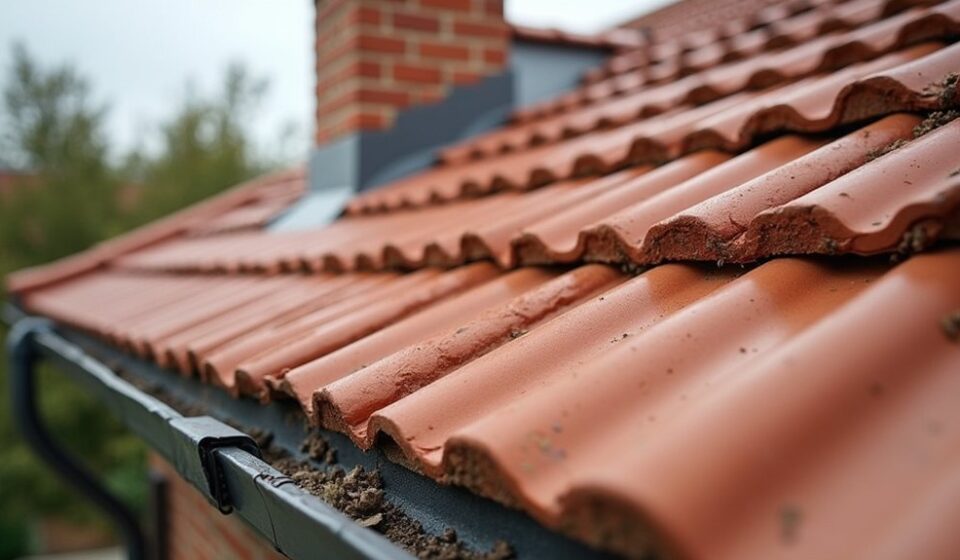

You can prevent many roof leaks by checking tiles and flashings regularly, especially after strong winds, heavy rain, or frost. Choose a calm, dry day, and use binoculars or secure access rather than taking unnecessary risks. Watch for cracked, slipped, or missing tiles, plus rust, lifted edges, and loose fasteners around chimneys and vents. Gentle cleaning and timely repairs also matter, but some warning signs require a professional before minor damage spreads.
Key Takeaways
- Inspect tiles and flashings regularly for cracks, slipping, corrosion, lifted edges, open seams, and missing components.
- Clean debris using soft brushes and low-pressure water with manufacturer-approved, tile-safe products; avoid pressure washing.
- Replace cracked or missing tiles, reseat loose ones, and repair deteriorated seals with compatible roofing materials.
- Keep gutters, valleys, and drainage paths clear so water cannot collect beneath tiles or around flashings.
- After storms or leaks, document damage and promptly consult a licensed professional for recurring leaks, sagging, or structural concerns.
Inspect Roof Tiles and Flashings for Damage

Before inspecting your roof, choose a dry, calm day and examine the tiles and flashings from the ground or a secure access point. Use binoculars to spot cracked, slipped, chipped, or missing tiles, especially along ridges, valleys, eaves, and roof edges.
Note the Tile material, because clay, concrete, and slate can show different damage patterns and may require specific repairs.
Check Flashing types around chimneys, vents, skylights, walls, and roof-to-roof joints. Look for lifted edges, rust, splits, loose fasteners, open seams, and dark stains that may indicate trapped moisture.
After wind, hail, freezing temperatures, or heavy rain, repeat the inspection promptly.
Don’t walk on fragile or wet surfaces.
Photograph concerns from a safe position, record their locations, and contact a qualified roofer before minor defects allow water into the roof structure.
Clean Roof Tiles Without Causing Damage
Choose a dry, overcast day to clean roof tiles, since direct sun can dry cleaning solutions too quickly and make surfaces harder to rinse evenly.
Wear slip-resistant footwear and use a secured ladder, but avoid walking on fragile tiles.
Clear leaves and debris by hand or with a soft brush before rinsing.
Use low water pressure and a manufacturer-approved, tile-safe cleaner; never use a pressure washer, harsh solvents, or abrasive tools that can strip protective finishes.
Work from the ridge downward so dirty water flows toward the gutter, and protect landscaping from runoff.
Schedule gutter cleaning afterward to remove loosened debris.
If you have a solar panel, don’t spray or scrub it; follow the manufacturer’s cleaning guidance and keep solutions away from its edges and wiring.
Stop if wind or rain develops.
Repair Cracks, Loose Tiles, and Failed Seals
Inspect roof tiles, ridge caps, and flashing after cleaning, but wait until the surface is dry and weather conditions are calm. Look for hairline cracks, chipped edges, slipped tiles, lifted flashing, and brittle seals. Mark damaged areas, then replace cracked or broken tiles with matching units.
For loose tiles, reseat them carefully and secure them with compatible fasteners or approved adhesive, following the tile manufacturer’s guidance. Don’t walk on wet, frosty, or hot tiles, since they’re more fragile and slippery.
Remove failed sealant completely before applying a fresh bead. During Sealant application, use a roofing-grade product on clean, dry surfaces, and tool the bead smoothly around joints and penetrations.
Check forecasts first; rain, wind, and cold temperatures can prevent proper bonding. Allow repairs to cure fully before exposing them to water.
Know When Roof Maintenance Needs a Professional
Call a roofing professional when damage extends beyond a few replaceable tiles or simple sealant repairs. You’ll need expert help for widespread cracking, sagging underlayment, recurring leaks, or corroded flashing around chimneys, skylights, and valleys. A professional can inspect hidden moisture, check structural damage, and determine whether targeted repairs or roof replacement makes sense.
- After heavy rain, watch ceilings, insulation, and exterior walls for fresh stains or dampness.
- Before storms, have loose tiles, exposed underlayment, and lifted flashing secured safely.
- Photograph damage from the ground, save invoices, and ask about documentation for insurance claims.
Don’t climb onto wet, icy, or steep tiles; one misstep can worsen damage or cause injury. Schedule an inspection promptly when water returns after repairs, especially before freeze-thaw weather or prolonged rainfall.
Licensed contractors can also verify ventilation, drainage, and workmanship.
Frequently Asked Questions
How Often Should Roof Tiles and Flashings Receive Routine Maintenance?
You should schedule Roof tile inspection and Flashing sealant checks twice yearly—ideally spring and fall—and after severe storms. You’ll catch cracks, shifted tiles, deteriorated sealant, and drainage problems before weather causes expensive leaks.
Which Tools and Safety Equipment Are Needed for Roof Tile Maintenance?
You’ll need non-slip boots, a harness, rope, gloves, eye protection, a helmet, ladder stabilizers, a soft brush, a trowel, buckets, and binoculars. For roof cleaning and tile inspection, check weather first.
How Does Roof Ventilation Affect Tile Longevity and Moisture Control?
You’ll extend tile longevity by improving ventilation efficiency: balanced intake and exhaust airflow reduces heat and condensation. Prioritize moisture prevention by clearing vents, insulating properly, and inspecting after storms for dampness, mold, or displaced tiles.
Can Gutter Problems Contribute to Leaks Around Roof Tiles and Flashings?
Yes, Gutter blockages and Drainage issues can redirect rainwater beneath tiles or behind flashings. You’ll prevent leaks by clearing debris, checking downspouts, sealing gaps, and inspecting vulnerable areas after heavy storms or freezing weather.
What Maintenance Records Should Homeowners Keep for Their Roofing System?
Your records should be a roof’s roadmap: log each Roof inspection, repairs, photographs, dates, contractors, invoices, warranty details, storm damage, and gutter cleaning. Note Material durability concerns, weather conditions, and recommended follow-up dates for planning.
Conclusion
Regular roof care keeps small defects from becoming a floodgate. On calm, dry days, inspect tiles and flashings for cracks, movement, rust, and failed seals; clean gently with a soft brush and low-pressure water. Repair or replace damaged materials promptly, and let sealants cure before rain arrives. Don’t gamble on unsafe access or complex chimney and vent work. If damage is extensive, call a qualified professional—your roof’s quiet warning signs shouldn’t become tomorrow’s costly storm.