

You may not realize that cosmetic upgrades don’t always deliver the strongest return—buyers often value efficiency, maintenance savings, and functional space just as much. Start by targeting improvements that match your neighborhood’s price range, such as a practical kitchen refresh, updated bathroom fixtures, improved insulation, or stronger curb appeal. Then weigh each project’s cost against likely resale impact, because the right priorities can protect your budget while positioning your home more competitively.
Key Takeaways
- Prioritize kitchen and bathroom updates, such as modern fixtures, durable countertops, refreshed grout, and efficient lighting.
- Improve curb appeal with maintained landscaping, a welcoming front door, updated house numbers, and attractive exterior lighting.
- Upgrade energy efficiency through insulation, air sealing, high-performance HVAC systems, smart thermostats, and efficient windows.
- Protect property value by repairing roofing, gutters, siding, drainage, electrical systems, and fencing before cosmetic renovations.
- Compare project costs with local resale data, buyer preferences, projected returns, maintenance needs, and available renovation incentives.
Start With High-ROI Home Value Upgrades
Start with upgrades that deliver measurable returns, not just visual appeal. You’ll protect your budget by comparing project costs with neighborhood-level resale data before hiring contractors.
Prioritize improvements that strengthen first impressions, reduce ownership expenses, or solve common buyer concerns without overbuilding for your market.
Energy-efficient windows, improved insulation, and high-performance HVAC equipment can lower utility bills while making your property more competitive.
Smart technology, including programmable climate controls, security systems, and leak sensors, adds convenience when installation remains simple and compatible with widely used platforms.
Choose eco-friendly materials that offer durability, low maintenance, and credible environmental benefits rather than novelty.
Track quotes, permits, warranties, and projected payback periods. You’ll make better decisions by separating essential repairs from cosmetic preferences, then completing work to a professional standard that appraisers and buyers can recognize.
Modernize Kitchens and Bathrooms
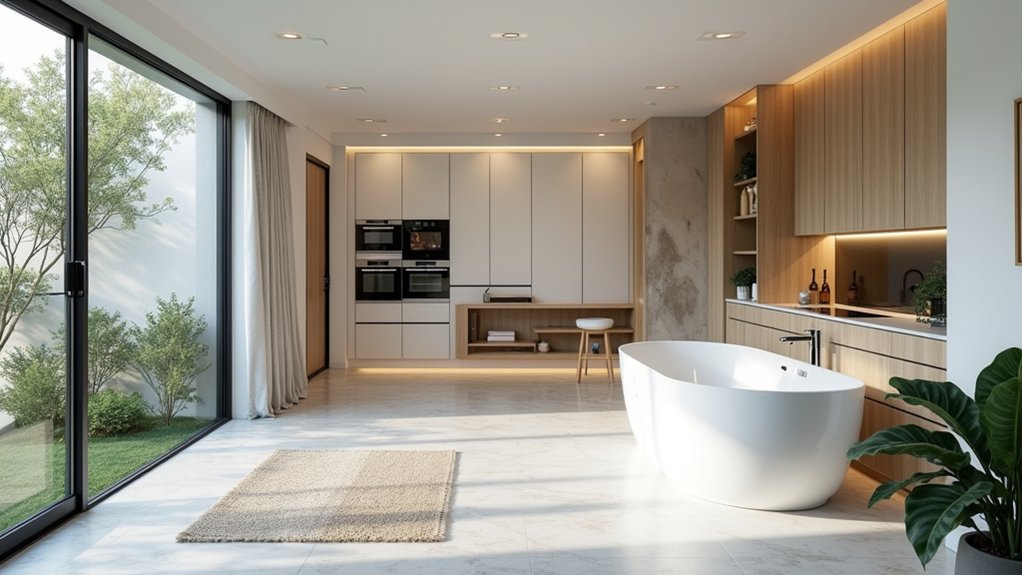
Modernizing kitchens and bathrooms can raise perceived value quickly because buyers scrutinize these rooms during showings and inspections. You’ll usually capture stronger returns by improving function and visual cohesion rather than choosing luxury finishes.
Replace dated cabinet hardware, worn countertops, stained grout, and inefficient lighting with durable, midrange materials that match neighborhood expectations. Add smart appliances selectively, prioritizing energy efficiency, connectivity, and warranties buyers can verify.
In bathrooms, install contemporary fixtures, water-saving faucets, improved ventilation, and a clean, frameless shower enclosure when space allows. Keep layouts intact unless poor flow limits usability; relocating plumbing can consume your budget without delivering proportional value.
Before hiring contractors, compare local listings, request itemized bids, and confirm permits. A cohesive upgrade package photographs well, supports a higher asking price, and reduces inspection objections.
Boost Curb Appeal and Exterior Value
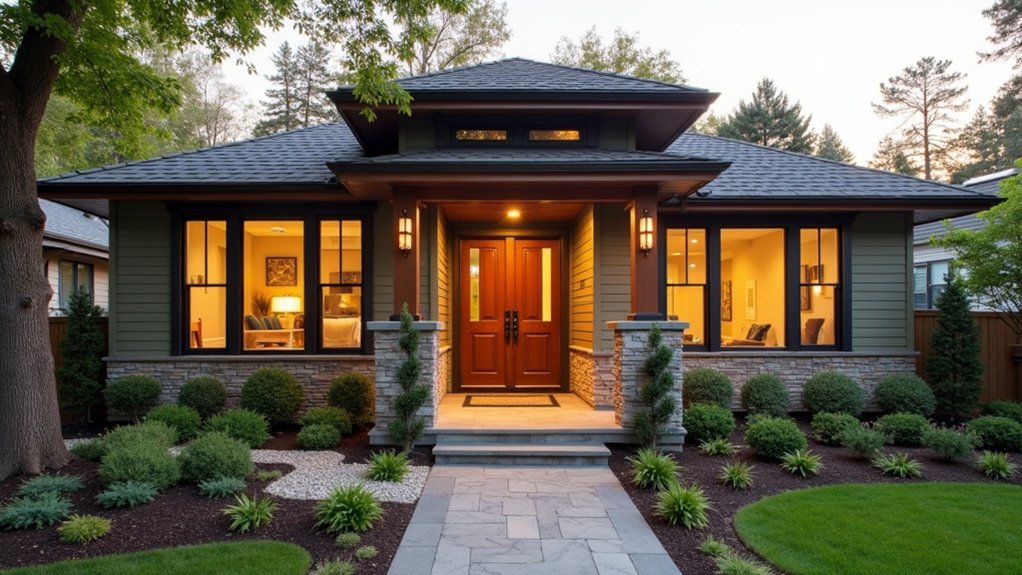
Because buyers often form an opinion before entering, exterior improvements can strengthen both perceived value and saleability. Start with landscaping enhancements that create a tidy, intentional appearance: refresh planting beds, prune overgrown shrubs, repair edging, and install a defined walkway. Choose durable, climate-appropriate plants to control maintenance costs and protect your investment.
Repainting the front door, updating house numbers, and replacing a dated mailbox can deliver strong visual impact without a major budget. Add exterior lighting upgrades around the entry, driveway, and pathways to improve nighttime presentation and perceived security.
Next, inspect siding, roofing, gutters, and fencing; repairing visible defects prevents buyers from discounting their offers. Prioritize projects with broad appeal, and compare local listings before spending.
Your goal isn’t luxury—it’s a clean, cohesive exterior that photographs well and signals careful ownership.
Improve Energy Efficiency and Comfort
Energy-efficient upgrades can lower operating costs while making your home more attractive to today’s value-conscious buyers. Focus on improvements that boost comfort, document savings, and appeal to buyers comparing monthly ownership costs.
- Seal air leaks and add attic insulation to stabilize indoor temperatures and reduce heating and cooling demand.
- Replace aging HVAC equipment with a properly sized, high-efficiency heat pump or furnace.
- Install Smart thermostats to automate schedules, track energy use, and provide convenient temperature control.
- Consider solar panels after reviewing roof condition, local incentives, utility rates, and production estimates.
Upgrade windows, water heaters, and lighting when existing systems show wear. Obtain professional energy audits before major work so you can target the largest losses.
Keep invoices, efficiency ratings, warranties, and utility comparisons in your home records. These details help you demonstrate measurable performance improvements during showings and listing negotiations.
Prioritize comfort and durability throughout the renovation.
Choose Home Upgrades by Budget and ROI
Set a renovation budget before choosing projects, then prioritize upgrades with strong resale potential and measurable benefits. Divide funds among essential repairs, visible improvements, and contingency costs so surprises don’t derail your plan.
Start with projects that protect value, such as roofing, drainage, electrical systems, and HVAC maintenance. Next, compare estimated costs with local sales data and likely buyer demand.
Kitchen and bathroom updates often perform well, but avoid over-improving beyond neighborhood standards. Choose durable finishes and sustainable materials that reduce operating costs while strengthening your listing’s appeal.
Smart technology, including programmable thermostats, leak sensors, and efficient lighting, can add convenience without excessive spending.
Track each upgrade’s projected return, timeline, and maintenance needs. When budgets tighten, prioritize improvements buyers notice immediately and postpone purely cosmetic changes with limited measurable payoff.
Frequently Asked Questions
How Long Should You Live in Your Home After Completing Major Upgrades?
Plan to stay at least five years after major upgrades, giving you time to recover transaction costs and benefit from improved Home resale value. Consider Upgrade longevity, neighborhood demand, and market timing before selling.
Do Home Improvements Require Permits or Inspections in My Area?
Permit requirements vary locally, but roughly 40% of renovations need approvals. Check your building department before starting; understand the Inspection process, schedule required visits, and keep documentation. You’ll avoid fines, delays, and resale complications.
Should I Hire Contractors or Complete Upgrades Myself?
Choose DIY projects for cosmetic, low-risk work; hire licensed contractors for structural, electrical, plumbing, or permitted upgrades. Compare bids, insurance, references, timelines, and expected returns during contractor selection to protect value.
How Can I Avoid Over-Improving My Home for the Neighborhood?
Keep your renovation compass pointed toward neighborhood norms. Research comparable sales, prioritize upgrades buyers value, and set Upgrade budgeting limits. Use Neighborhood comparison data to avoid luxury finishes that won’t return their cost.
Will Home Upgrades Affect My Property Taxes or Homeowners Insurance?
Yes, upgrades can trigger property tax implications when assessors recognize added value, while insurance premium changes may follow increased replacement costs. You’ll want permits, receipts, and updated coverage estimates before renovating to avoid surprises.
Conclusion
Ultimately, the best upgrades for increasing home value balance buyer appeal, durability, and return on investment. Start with kitchen and bathroom updates, then strengthen curb appeal with landscaping, paint, and lighting. Improve comfort and operating costs through efficient windows, insulation, HVAC, and smart controls. Don’t overbuild for your neighborhood; compare project costs with local sales data. When every improvement works harder, your home doesn’t just look better—it sells a stronger financial story.