


A property line can look as clear as a fence, yet a property survey may show that the fence sits several feet inside your legal boundary. You need the right survey to confirm lot lines, plan construction, uncover easements, and identify encroachments before they become costly disputes. Costs range from a few hundred to several thousand dollars, depending on the property and survey type. Knowing what each survey reveals helps you choose wisely—and avoid surprises at closing or during construction.
Key Takeaways
- Property surveys confirm boundaries, easements, encroachments, structures, and site features before buying, building, or resolving disputes.
- Boundary, topographic, construction, ALTA/NSPS, flood, subdivision, and environmental surveys serve different property and project requirements.
- Basic boundary surveys often cost several hundred dollars, while complex, specialized, or commercial surveys may cost thousands.
- Costs depend on parcel size, terrain, location, record availability, survey complexity, local fees, and requested completion speed.
- Choose a licensed, insured surveyor, compare detailed written quotes, provide relevant records, and review the completed survey carefully.
Which Property Survey Do You Need?
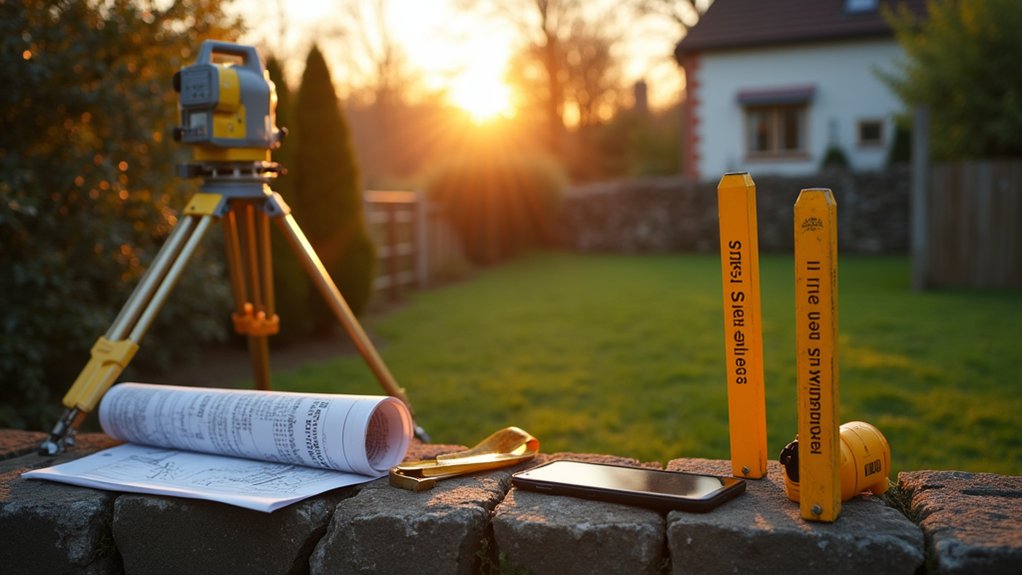
The right property survey depends on your purpose, the property’s age and condition, and your lender’s or local authority’s requirements. Start by identifying the decision you need to make.
If you’re buying, confirm which inspections or surveys your lender requires before ordering anything.
If you’re planning an extension, investigate whether accurate measurements, easements, or site features could affect design and approvals.
For Boundary disputes, prioritize evidence that establishes lines, monuments, fences, and recorded rights.
When questions about Land ownership arise, check the survey against the title, deed, and official land records rather than relying on assumptions or old plans.
You should also consider access, drainage, flood exposure, and visible defects when selecting the survey’s scope.
Ask a qualified surveyor to explain limitations, deliverables, timing, and how findings may affect your transaction.
Property Survey Types for Every Situation
Once you’ve identified your objective, match it to the survey type that answers your specific questions.
For a new purchase, a boundary survey confirms lot lines, easements, and encroachments, helping you address Boundary disputes before closing.
If you’re building, choose a construction or site-planning survey to establish elevations, utilities, setbacks, and other design controls.
A topographic survey maps slopes, drainage features, trees, and surface improvements, while an ALTA/NSPS survey provides expanded title-related detail for complex commercial transactions.
Need to divide land? A subdivision survey supports parcel creation and approvals.
A flood elevation survey documents a structure’s position relative to flood zones.
For environmental or agricultural decisions, ask about surveys that verify Land classifications, wetlands, or soil conditions.
Your surveyor can combine scopes when one project raises several questions.
What Do Property Surveys Cost?
Property survey costs typically range from a few hundred dollars for a basic boundary survey to several thousand dollars for an ALTA/NSPS, topographic, construction, or subdivision survey. Your final price depends on several practical factors:
- Property size: Larger or irregular parcels require more fieldwork and research.
- Survey type: ALTA/NSPS and construction surveys demand specialized measurements, documentation, and coordination.
- Location: Dense development, difficult terrain, limited records, and local fees can increase labor costs.
- Urgency: Rush scheduling may add premiums, especially during busy building seasons.
Ask each surveyor for a written, itemized estimate and confirm what deliverables, research, monument recovery, and revisions it includes. Don’t choose solely by price: survey accuracy matters when you’re preventing boundary disputes, securing financing, or planning construction.
Verify licensing, insurance, experience with your property type, and whether the quote covers necessary courthouse research. Comparing at least three proposals helps you spot exclusions and budget confidently.
What Can a Property Survey Reveal?

What can a property survey reveal? It can show you the precise location of your property lines, corners, easements, rights of way, and shared access areas.
By comparing physical features with recorded deeds, a survey may identify fences, driveways, sheds, or walls that cross a boundary. This evidence helps clarify boundary disputes before they escalate and supports accurate land ownership records.
A survey can also reveal encroachments, setback violations, building locations, drainage patterns, and apparent conflicts with neighboring parcels. If you’re buying, these findings can expose limitations that affect construction, landscaping, financing, or resale value.
The surveyor may note discrepancies between your deed, tax map, and conditions on the ground. Although a survey doesn’t guarantee a clear title, it gives you documented facts to discuss with your attorney, lender, or title professional.
How to Choose and Arrange a Survey
Choosing the right survey starts with identifying the type of information you need and confirming the requirements of your lender, title company, municipality, or attorney. Then, follow these steps:
- Define the scope: Request a boundary, ALTA/NSPS, topographic, or construction survey based on your transaction and planned improvements.
- Check credentials: Verify the surveyor’s license, insurance, local experience, and professional qualifications. Ask who’ll perform fieldwork and sign the plat.
- Compare written quotes: Confirm included services, deliverables, timeline, research fees, and potential costs for difficult access or missing markers.
- Arrange access and review: Provide the deed, prior surveys, title report, and site access. Before relying on results, check the completion date, survey accuracy, boundary calls, easements, and exceptions.
Choose a surveyor who communicates clearly and explains limitations. If conditions change, request an update rather than assuming an old survey remains sufficient.
Frequently Asked Questions
Are Property Surveys Legally Required Before Buying a Home?
You usually don’t legally need a property survey before buying a home, but local rules, lenders, or title insurers may require one. Confirm requirements, prioritize survey accuracy, and understand legal implications before closing.
Who Pays for a Property Survey, the Buyer or Seller?
You usually pay for the property survey as the buyer, unless your contract assigns responsibility differently. Confirm survey accuracy, verify surveyor qualifications, and negotiate seller payment or cost-sharing before closing if needed.
How Long Does a Property Survey Remain Valid?
A property survey doesn’t technically expire, but you shouldn’t assume continuing survey accuracy. Changes, construction, boundary disputes, or outdated records create survey limitations. For protection, order an updated survey before buying, refinancing, or building.
Can I Attend the Property Survey Inspection?
Yes, you can usually attend the property survey inspection. Confirm the site visit with your surveyor, avoid interrupting measurements, and ask questions afterward. Your survey participation can clarify boundaries, access issues, and visible concerns.
What Happens if a Survey Discovers Serious Problems?
You’ll review the surveyor’s evidence, request repairs or a price reduction, and potentially renegotiate or withdraw. Because boundary issues cause roughly one-third of property disputes, address survey implications promptly with legal advice and written documentation.
Conclusion
When you’re buying, building, or resolving a boundary question, the right property survey gives you more than lines on a map—it provides clarity. Choose the survey that fits your purpose, request a detailed estimate, and hire a qualified, licensed surveyor. You’ll uncover boundaries, easements, encroachments, and site constraints before they become costly surprises. Like a reliable compass, a survey guides confident decisions, protects your investment, and helps your project move forward on solid ground.